Pitch Stacking
Table of Contents
Pitch stacking refers to pitching cards with an intention beyond gaining resources, namely to stack cards on the bottom of your deck in a specific order. This allows you to execute a specific plan when you reach the so-called “second cycle” – the stage of the game when you start drawing the cards you pitched earlier on.
For Guardians, pitch stacking is a valuable tool.
Pitch stacking helps you get into a position where you can maintain disruptive tempo and win the game, even if you are at a significant life deficit when going into the second cycle. If you use auras, you can also pitch stack the setup and payoff needed to finish off your opponent in one fell swoop.
When to pitch stack
In some matchups the game is very likely to take a while, for example if both heroes have quite good defenses and moderate to low damage output. This is the situation where you will most depend on pitch stacking to gain an advantage.
When not to pitch stack
Some heroes have access to key power cards like Bloodrush Bellow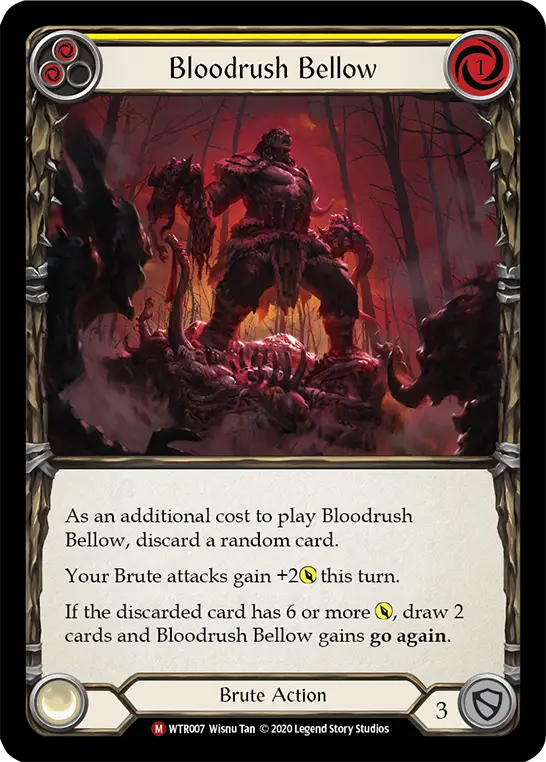 and Art of The Phoenix: War
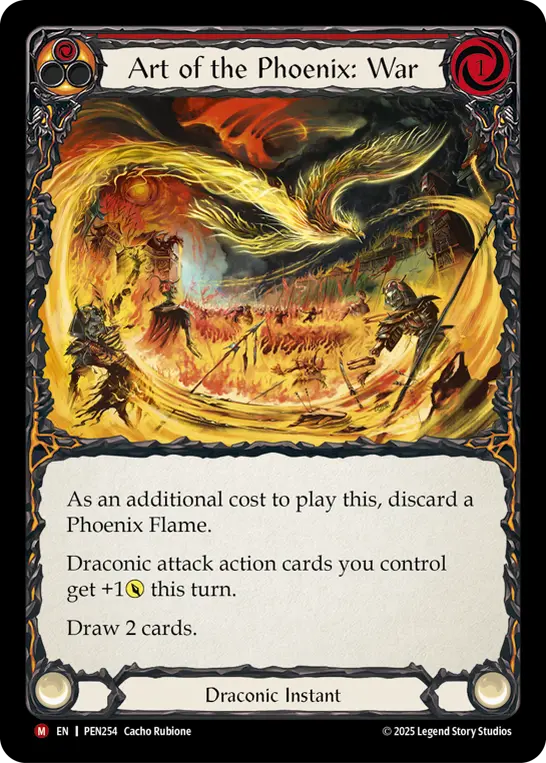 that lets them push over 20 damage in a single turn. If they are able to play out all of these power cards to their fullest potential, chances are you will lose the game before reaching the second cycle, making your pitch stacking moot. In these matchups, trying to disrupt their big turns can be more important than pitch stacking, though the two are not entirely mutually exclusive.
Other heroes have access to a big, uninteractable combo, such as the (now Living Legend) Verdance, Thorn of the Rose, with her Healing Potion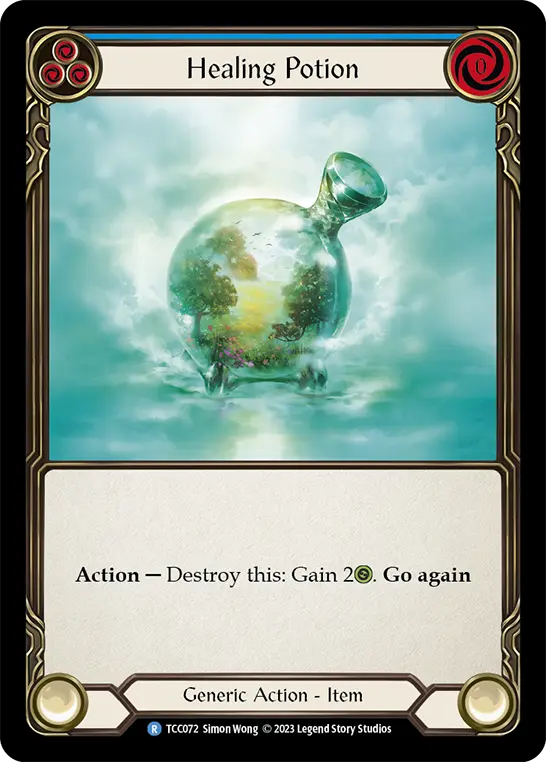 and Rampant Growth // Life
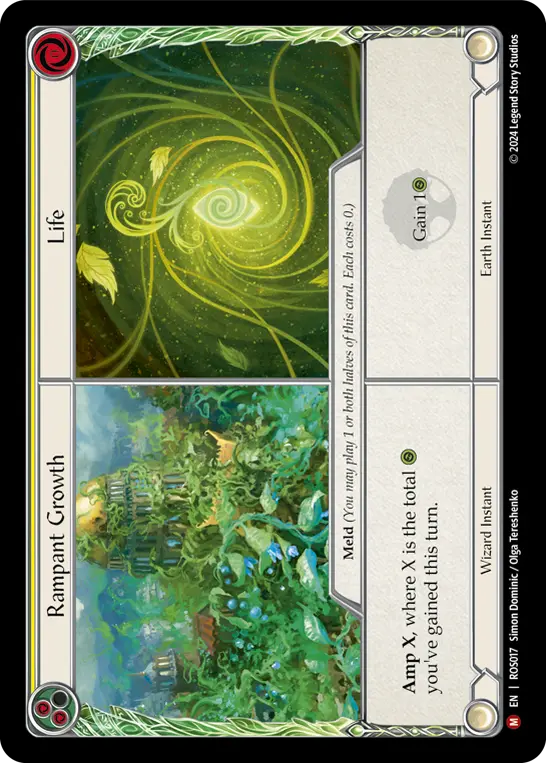 combo, that could potentially deal more than 40 damage in a single turn. In order to beat such decks, you must either disrupt their combo, win before they get to execute their combo, or maintain such a high life total that their combo will not win them game. Pitch stacking helps with neither of these game plans.
There is another kind of deck that we need not pitch stack into, which are heroes that are particularly prone to running out of cards. Dash I/O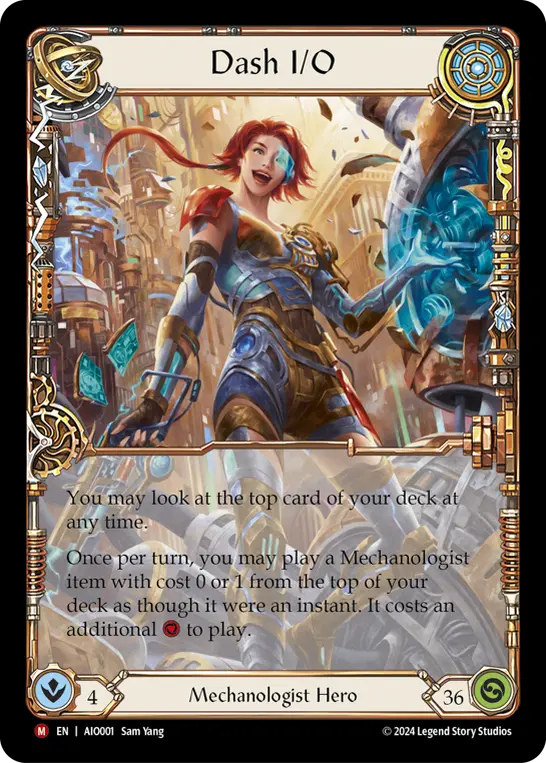 is a good example of this. Dash I/O plays a ton of boost cards which banish cards from the deck, meaning that their deck might run out of cards even before you reach the second cycle. Against such decks, merely surviving the onslaught until they run out of gas is enough to win the game.
Lastly, some heroes are able to force you to shuffle your deck with cards like Schism of Chaos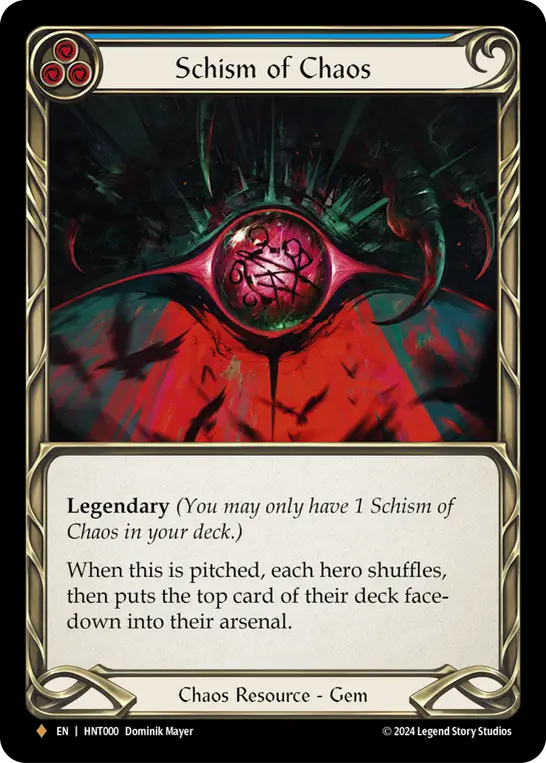 , Mind Warp
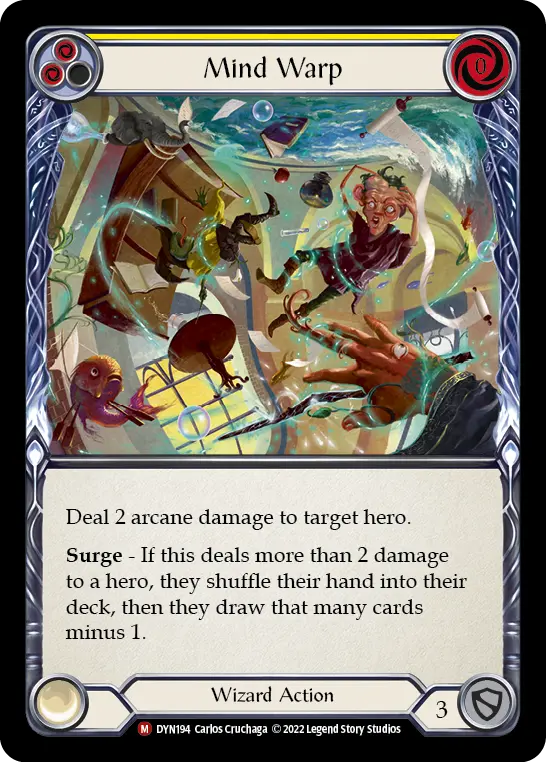 and Hunter or Hunted?
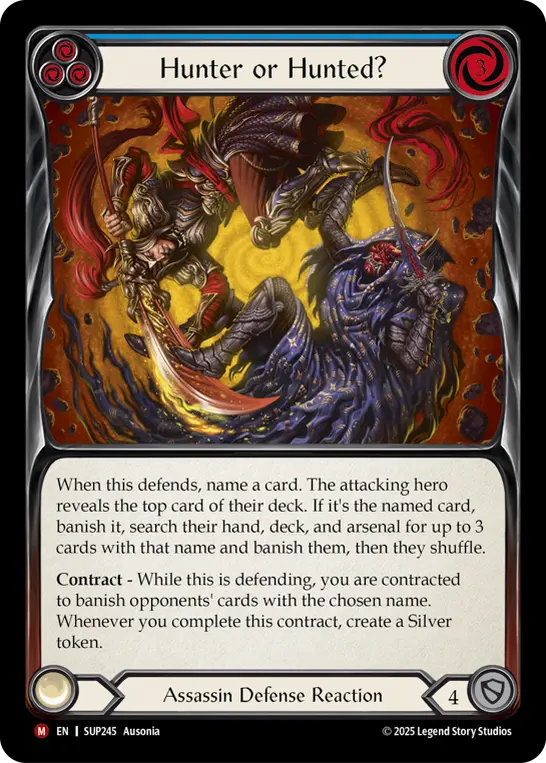 . Your neat pitch stack may very well get jumbled multiple times throughout the game, so true pitch stacking is only really possible after they have played out all their shuffle effects.
Some important lessons of pitch stacking
Since there are many good reasons pitch stacking for the second cycle should not be your main strategy, it is tempting to think that pitch stacking is a niche skill that is not necessary to learn. However, there are many lessons pitch stacking teaches us that will apply to games that could end before the second cycle.
Pitch stacking teaches you that you can sabotage your own second cycle by pitching recklessly. Many Guardian mirrors have been lost by pitching a cluster of red cards. This can end up being a huge liability in the second cycle, since you are unlikely to be able to play any attacks that turn. If you push though and pitch multiple red cards anyway (to swing your weapon, perhaps), you end up kicking the can down the road to a possible third cycle, and so on.
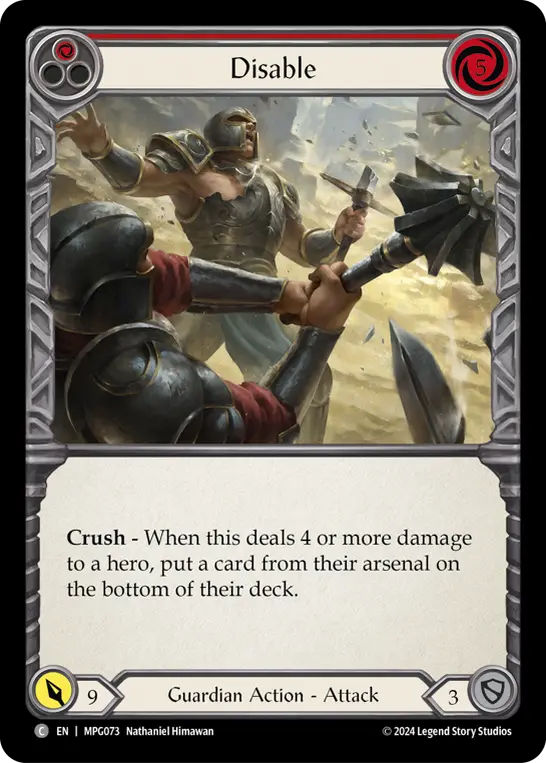
Learning which cards do well in the second cycle is important, since it increases your chances of winning in those games where you do end up in the second cycle. Cards that are very strong when combined with multiple other blue cards are the typical second cycle all stars, such as Rouse the Ancients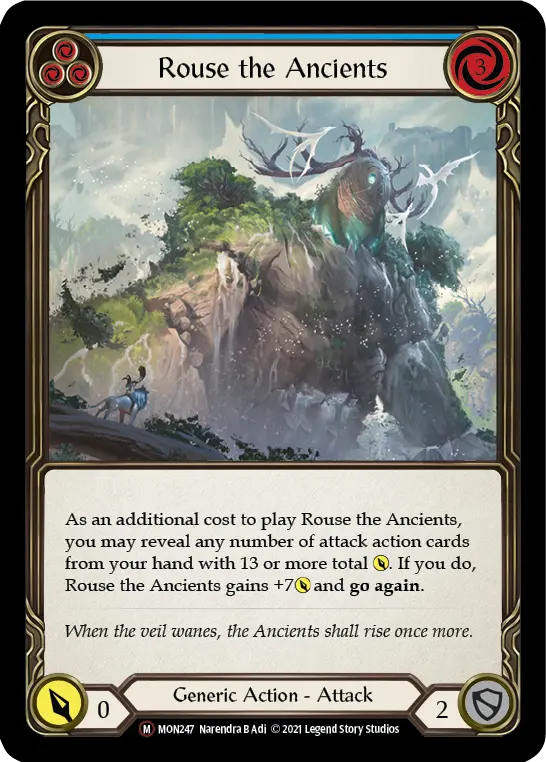 (paired with high power blues like Macho Grande
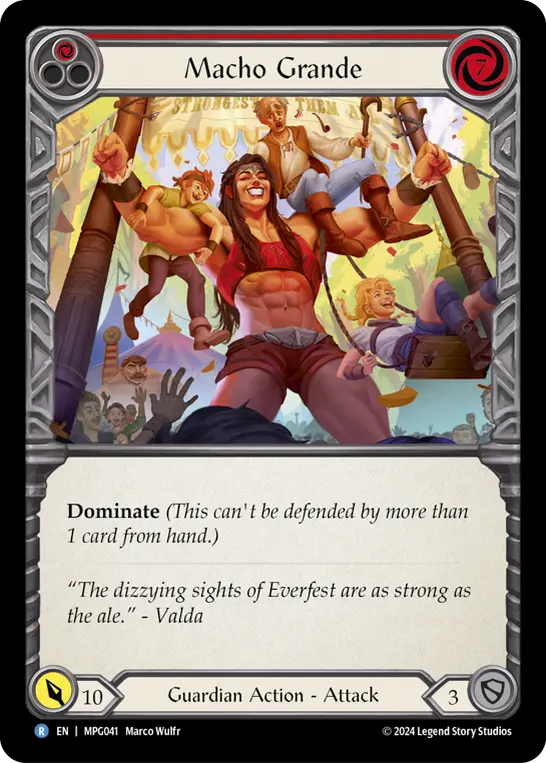 , Thunder Quake
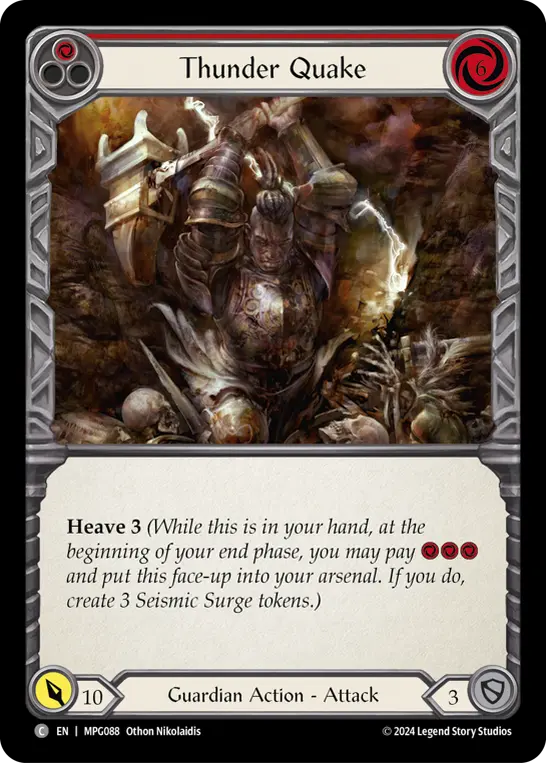 , Cranial Crush
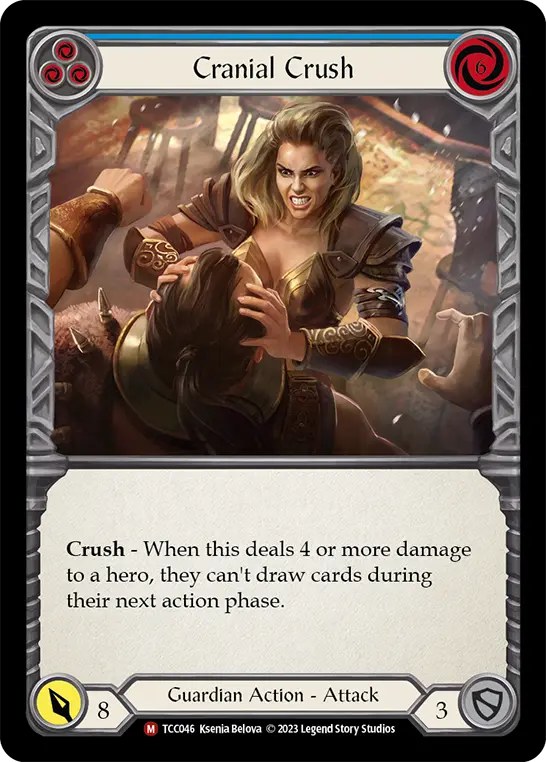 and Disable
 ) and Tear Asunder
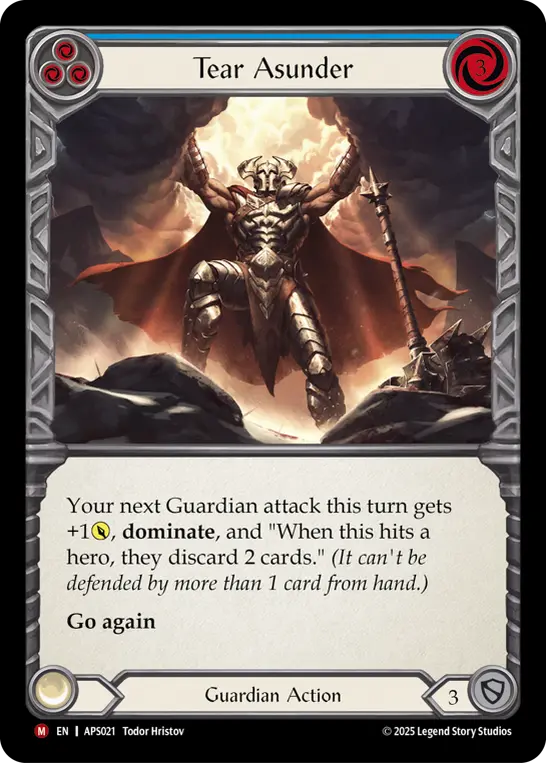 . If your deck contains some of these cards, it’s a good idea pitch them above other blues when you have the option to do so.
How to get started with pitch stacking
Taking your first steps into pitch stacking can be done by starting with the beginning, namely by playing Bravo and practicing Bravo’s classic pitch stack.