I got my first 3-0 with Galin Yordanov's Ley Line Bravo

Table of Contents
It’s no secret that Bravo is a seldomly played hero in Classic Constructed. There are many players, especially long time players, who have a great fondness for Bravo, but cannot bring themselves to actually playing Bravo due to other heroes having surpassed him in power and flexibility.
But there are still those of us who play this old relic of a hero, and I believe there is a lot of innovation going on, albeit quite slowly. I recently got my first 3-0 in a constructed armory with a new style of Bravo deck I am quite excited about.
My journey with Bravo
On the 20th of November 2024 I sat down at my first ever Classic Constructed armory and played Bravo, Showstopper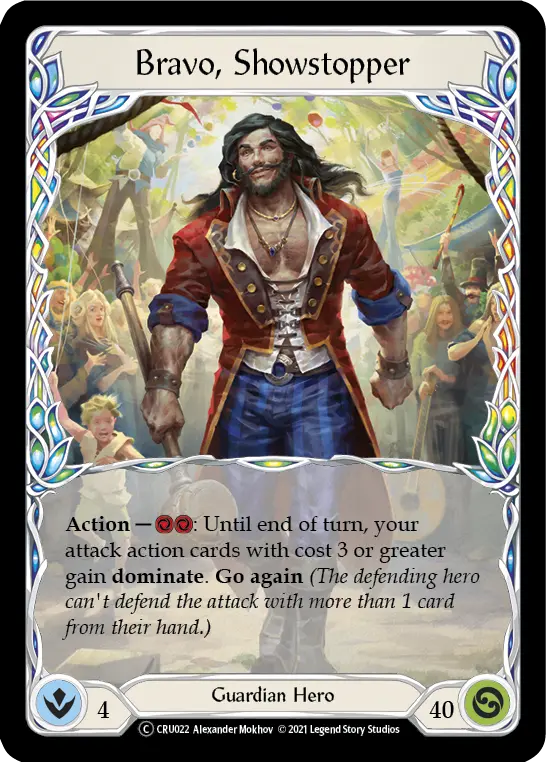 to a respectable (for a beginner, anyway) 1-1-1 (W-L-D) finish.
Earlier that month I had attended a new player event where we played with Blitz decks from History Pack 1. I picked Bravo because his name was similar to mine. I promptly bought a bunch of Bravo cards from a local player who had retired from the hero, and from the guardian class altogether.
At that point Bravo was already far outside of the competitive metagame, not having made any meaningful impact since 2023. Nevertheless, destiny had decided that Bravo was my guy. Having gotten a pretty good deal for a lot of Bravo’s core cards, the off meta hero choice also harmonized with my frugal nature.
Through buying several boxes of History Pack 1, I acquired many affordable generic cards such as Fate Foreseen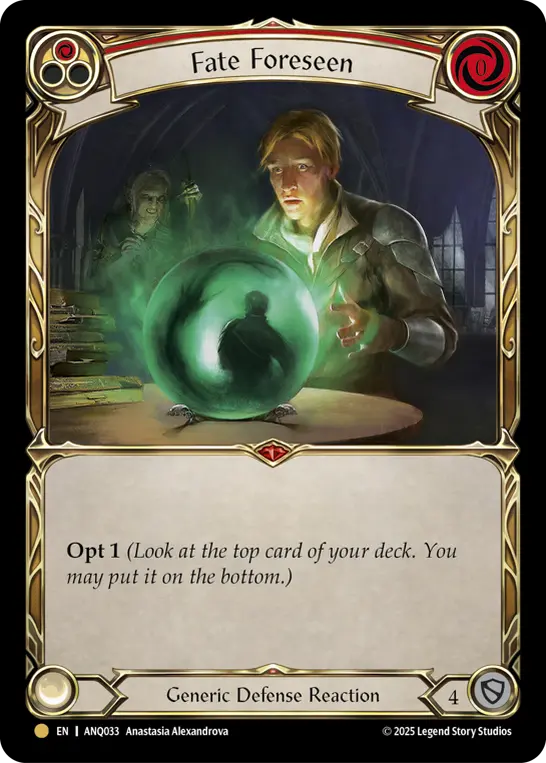 , Sink Below
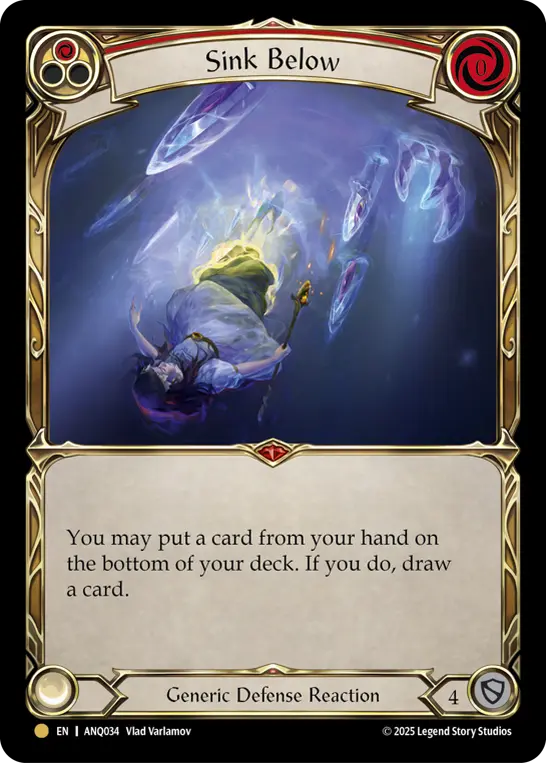 and Sigil of Solace
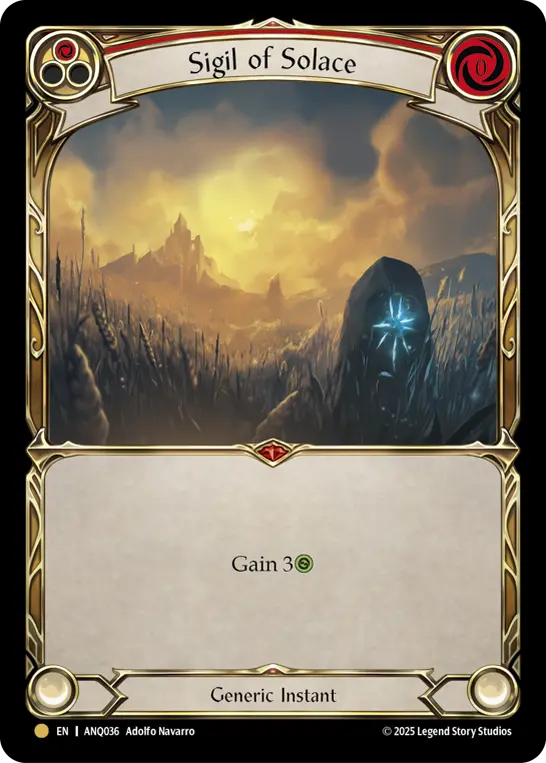 in striking white border, and I even opened two copies of Command and Conquer
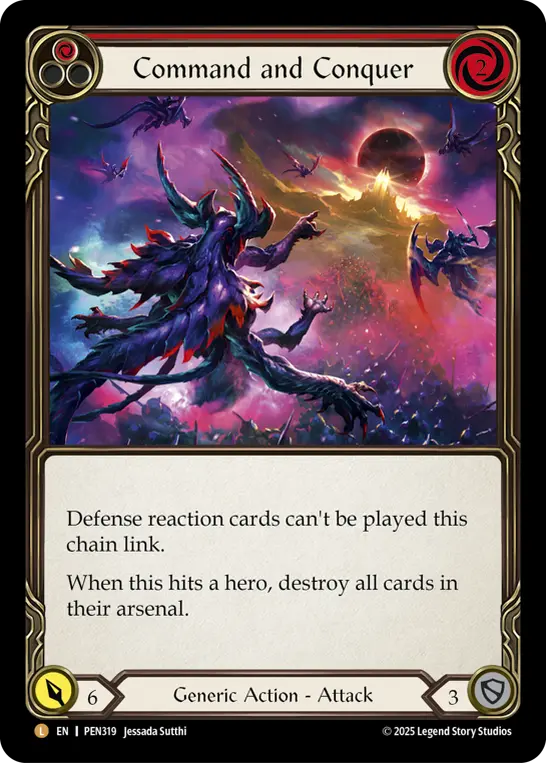 . What followed was an extended period of mostly 1-X-X results, often with multiple draws as I got into playing Count Your Blessings
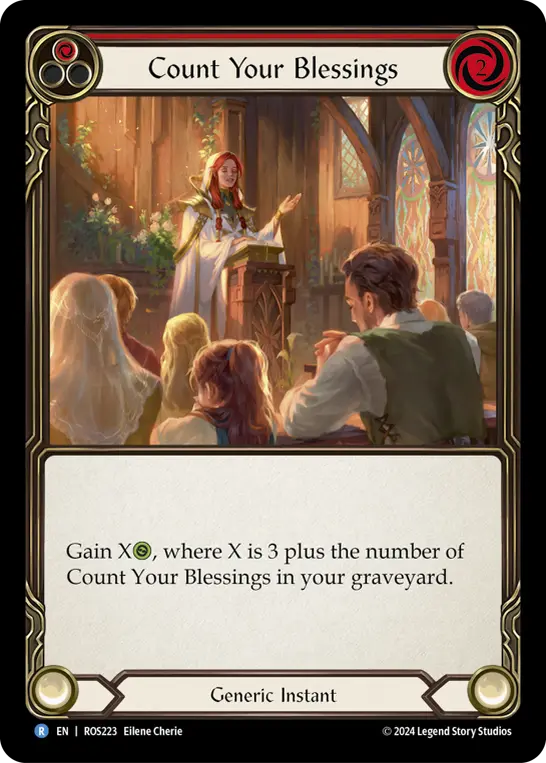 fatigue (and it took some time to learn to play faster).
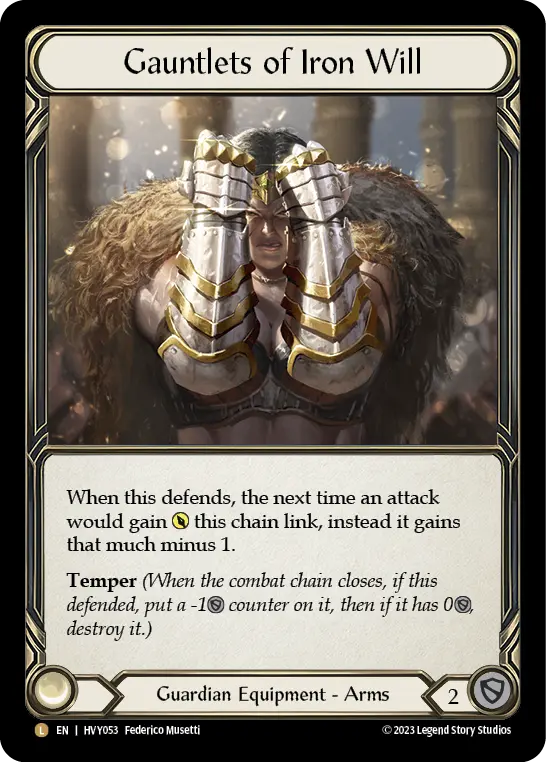
Acquiring generic legendary equipment was still a bridge too far. I played with a Guardian only equipment suite. Why can’t we have more badass Guardian helmets?
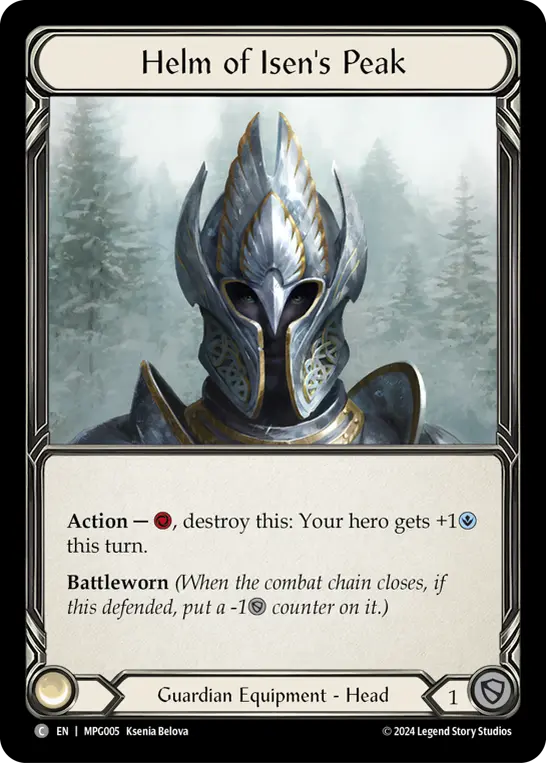
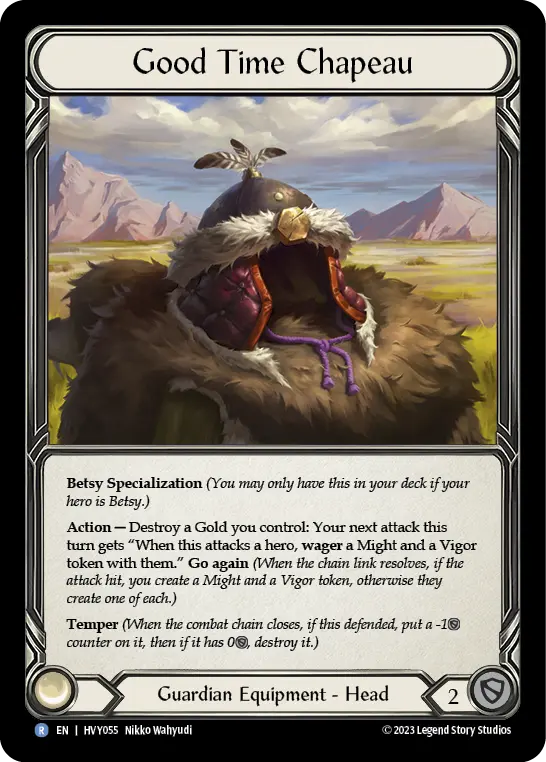
At some point during 2025, after Count Your Blessings was banned, I felt a bit deflated and wanted to play with better cards. My solution was to get into Betsy, Skin in the Game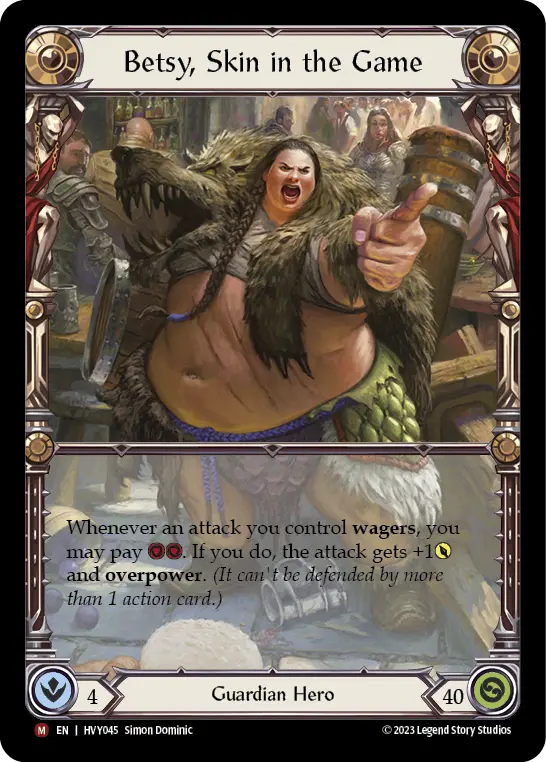 who had access to a fantastic in-class, budget friendly equipment upgrade in Good Time Chapeau
 . I enjoyed several months of Betsy and had a few 2-1 armories with her, but in my heart I knew I had to return to Bravo eventually.
Mastery Pack Guardian and Superslam came and went without a new head piece, but I still enjoyed playing Smash Palace, “Crack, Shuffle, Play” and Superslam limited. I acquired a fair amount of the new Guardian cards, some more promising than others. Headbutt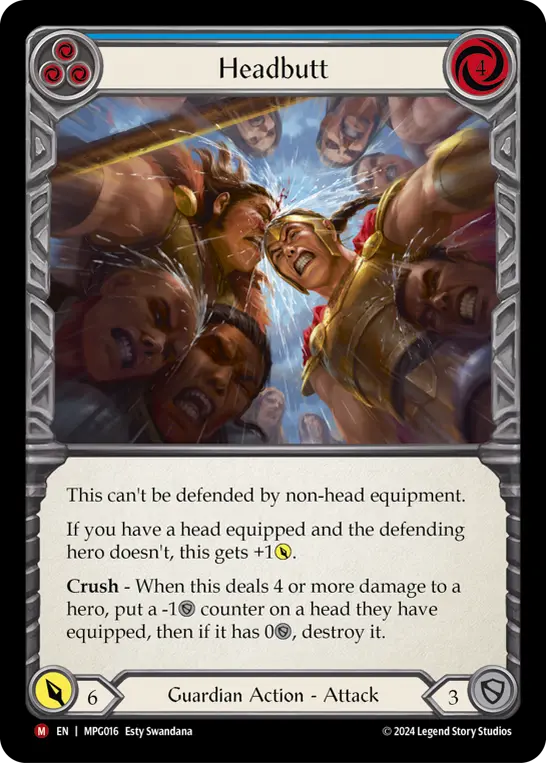 was a welcome addition to my Betsy deck.
A short time after Compendium of Rathe had released, a local player was selling a Crown of Providence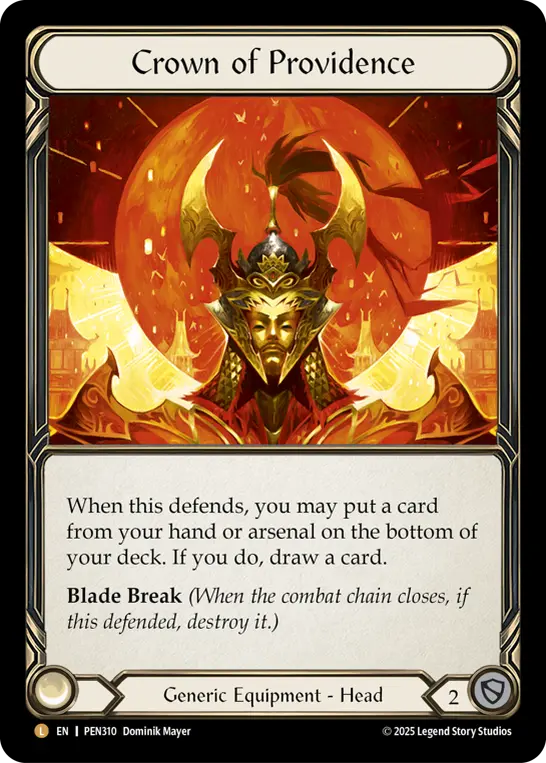 they had opened. Knowing that this was the missing piece in my equipment suite for Bravo, I splurged and bought it from them. It was now time to make my return.
With Count your Blessings long gone and its spiritual successor being the excrutiatingly expensive Shelter from the Storm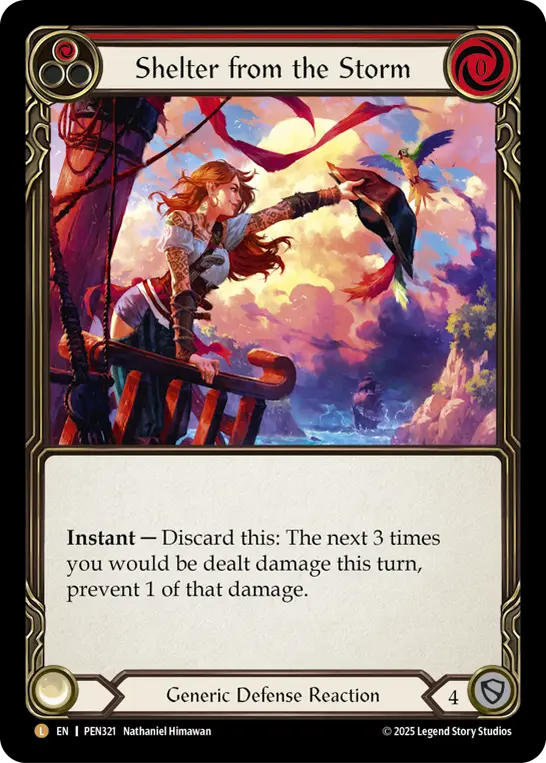 , playing defensively was rather unappealing. I wanted to find some inspiration for building a deck, but the discourse surroundoing Bravo had quieted down drastically. Fortunately, Galin Yordanov, aka. GraysonSolus shared an intriguing creation of theirs built around a legendary aura card from Mastery Pack: Guardian.
Enter the Ley Line
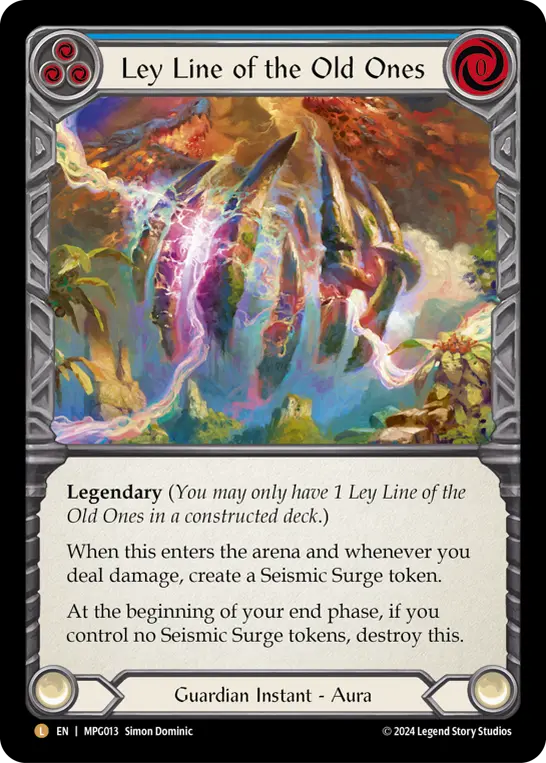
Ley Line of the Old Ones is a singular card. It is a member of a very exclusive club of guardian auras that can potentially stick around for the whole game, essentially making a permanent upgrade to your gameplay.
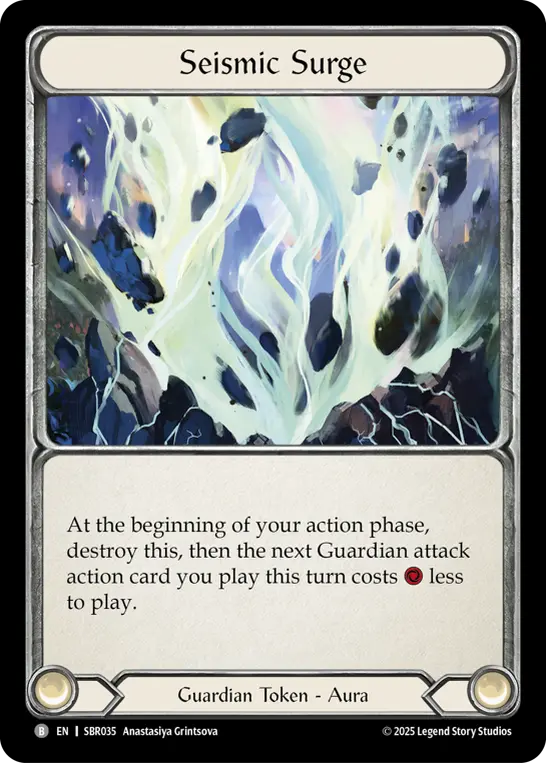
Being a Seismic Surge-oriented design from Mastery Pack: Guardian (dubbed “Mastery Pack: Valda” by some), most Guardian players have brushed Ley Line off as just another Valda card. But our mustachioed muscle man can certainly benefit from a bit of cost reduction on his costly attacks, as well!
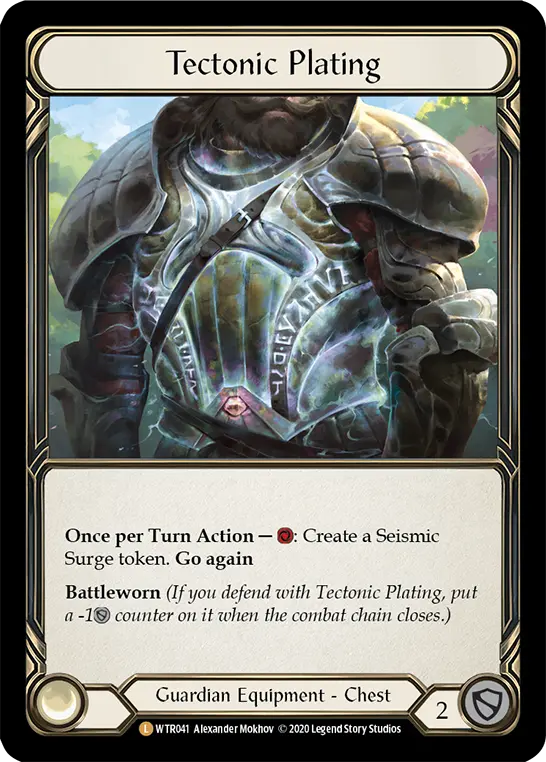
Ley Line of the Old Ones will destroy itself if you have no surges at the end of your turn, and so it is natural to pair it with Tectonic Plating to have a guaranteed surge factory. Additionally, it lends itself to an aggressive playstyle, since if you are defending with all your cards you don’t have any card left to pitch into Tectonic Plating.
What you get out of Ley Line is a free surge whenever you deal damage. Most opponents will not fully defend your attacks, and so you will get one surge out of it every turn.
Let’s compare a two turn cycle with and without Ley Line: On the first turn you make a seismic surge with Tectonic Plating and attack with Anothos for 6.
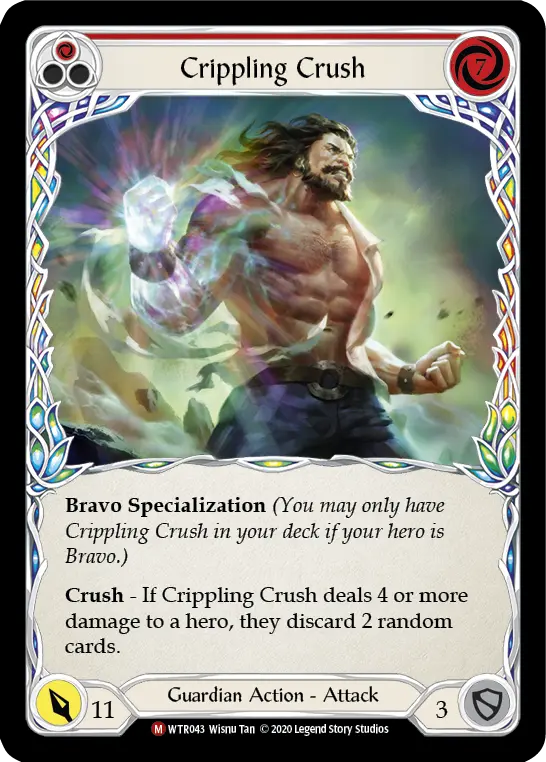
- Without Ley Line: On the second turn you will have one Seismic Surge, allowing you to (for example) play Crippling Crush
 by pitching two blues.
 - With Ley Line: On the second turn you will have two Seismic Surges (very few opponents will stoop so low as to fully defend Anothos), so you can spend one resource to make a surge with Tectonic Plating and spend 5 resources to play Crippling Crush. As the attack will most likely deal 1-3 damage, you will end the turn with two seismic surges.
The same math applies to other fairly resource-efficient play lines that Bravo can make when he has a Seismic Surge/tunic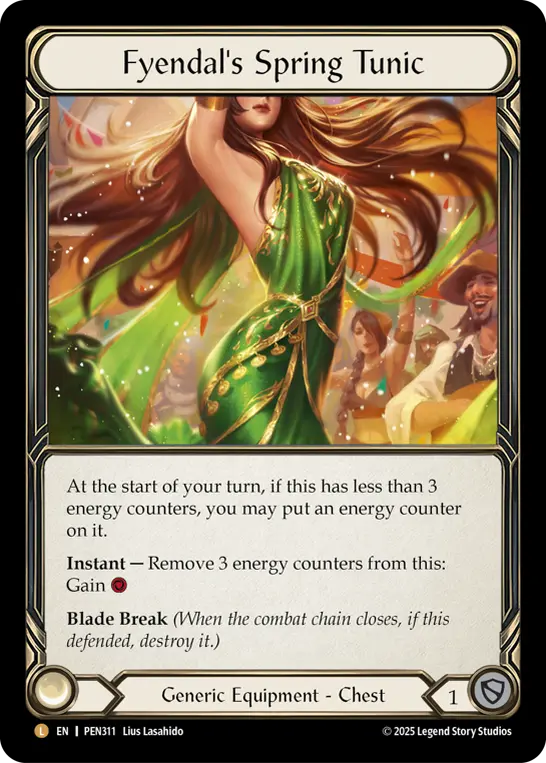 resource, such as:
- Activate Bravo’s hero ability, play Spinal Crush
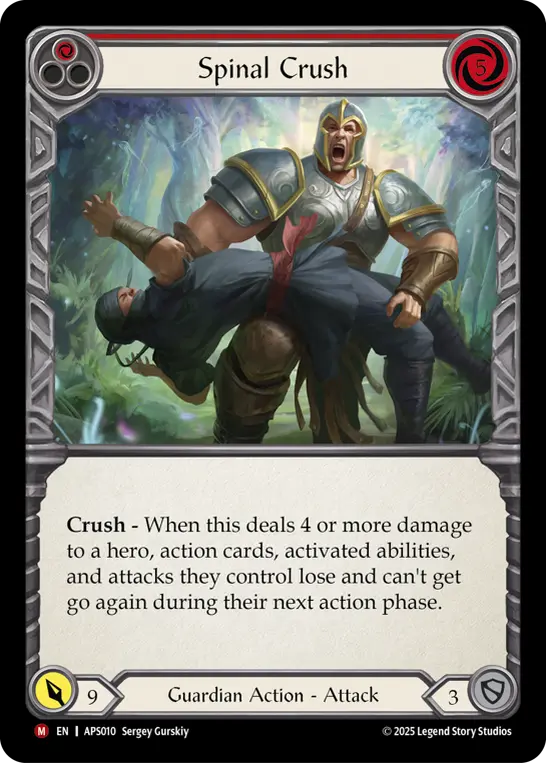 for dominate with two blues
 - Play Debilitate
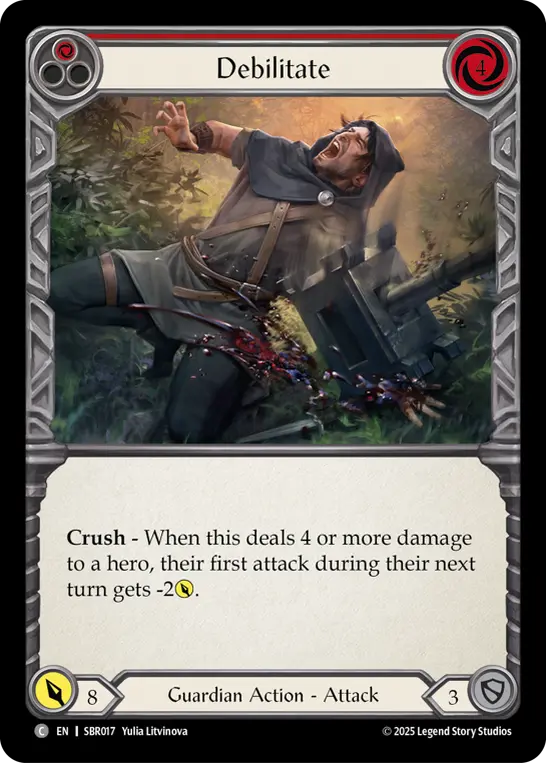 with one blue
 - Play Star Struck
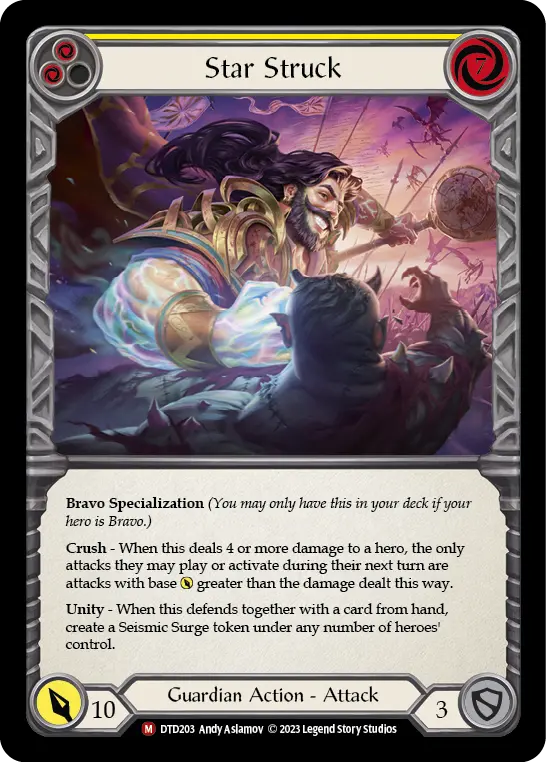 with two blues
 - Play Pulverize
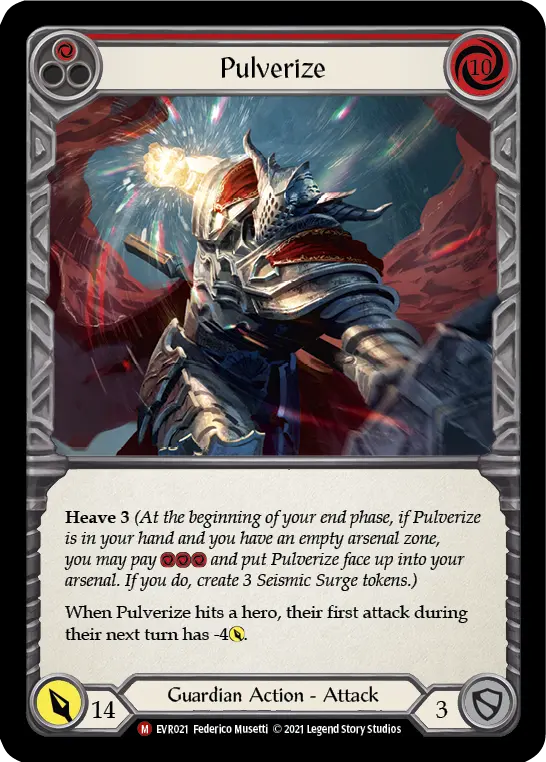 with three blues
Essentially you could say that Ley Line makes it so that every turn is “online” in terms of having a surge available, instead of the old Tectonic Plating play pattern where you would alternate from turn to turn between making a surge and using a surge.
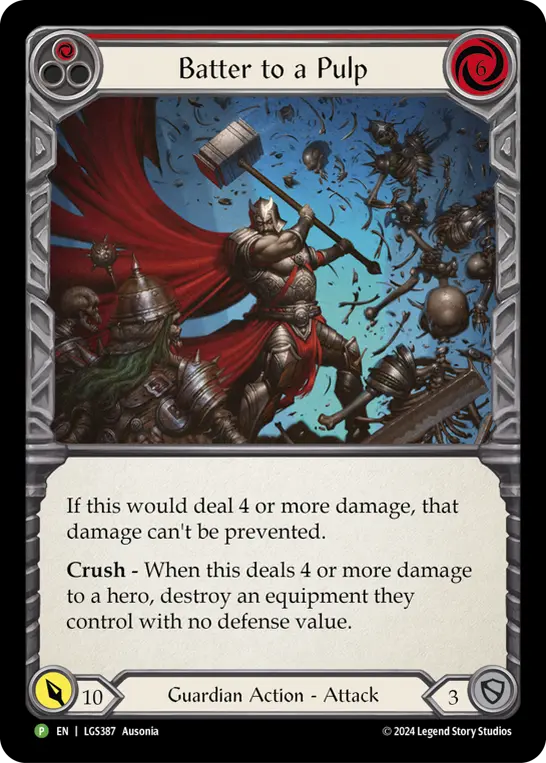
But that’s not all! A typical Ley Line turn does in fact leave you with two seismic surges. That allows you to make some more greedy play lines such as playing a Spinal Crush or Disable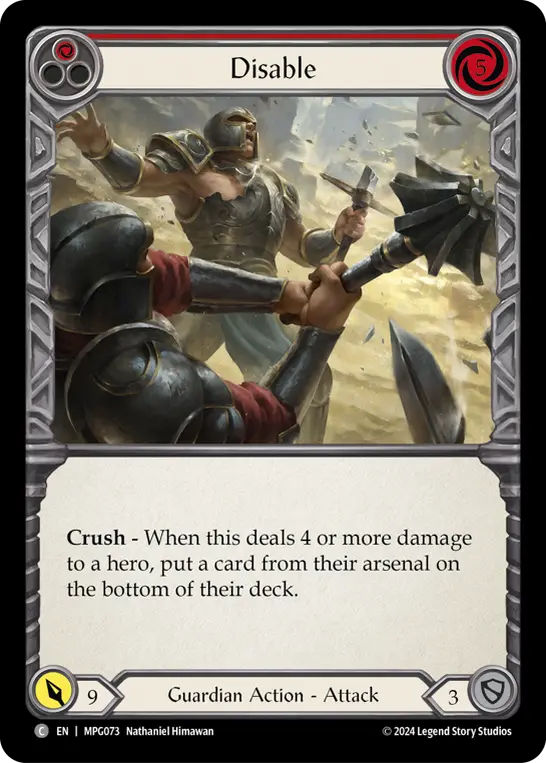 by pitching one blue, which is a 2 card 9 with a very threatening crush effect, or playing a dominated Batter to a Pulp
 off of two blues.
When you do this, you are exposed to your opponent blocking out and denying your seismic surge, which will destroy the Ley Line. However, that may very well be worth the risk, for example if you have a Crippling Crush hand lined up where you have no need for the bonus seismic surge (Bravo’s ability plus Crippling Crush is cleanly paid for by three blues).
I’d recommend against making this gambit super early in the game, since it lets your opponent take one off turn to sabotage the resource effectiveness of all your future turns, but as the game goes towards the later stages it is a powerful way to nudge your opponent towards defending more, letting you keep tempo and hopefully close the game with some dominated specialization attacks.
It should also be noted that sometimes your opponent cannot realistically fully defend a dominated high power attack, in which case you can skip Tectoning Plating and just activate Bravo, keeping the Ley Line alive with the seismic surge you get from dealing damage.
Ley Line also lets you create seismic surges each time you deal damage. Zealous Belting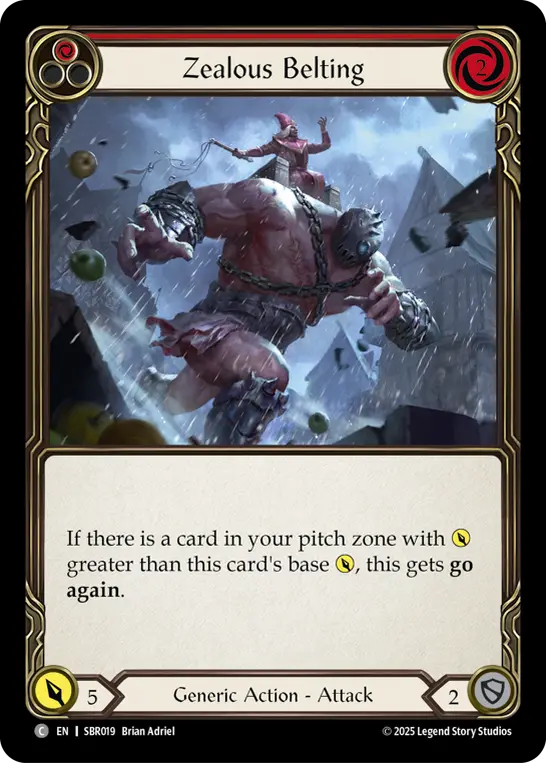 is particularly well suited for this job, since you can use Plating, attack with it and Anothos by pitching two blues. A 3 card 11 damage turn that leaves behind three seismic surges that can fuel (for example) a dominated Crippling Crush from two blues, or Plating + Spinal Crush from one blue. Rouse the Ancients
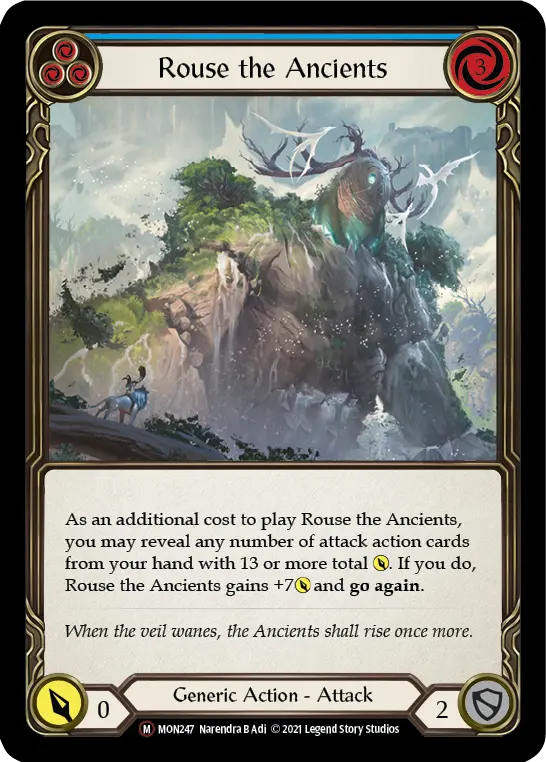 is another go again attack that can also make you a seismic surge, although sometimes you might not have extra resources to make the seismic surge from Tectonic Plating.
The list
Here is the decklist that brought me to 3-0. It is a variant of the Ley Line Bravo deck created by Galin Yordanov.
He's BackClassic ConstructedArena cards9
- 1×Anothos
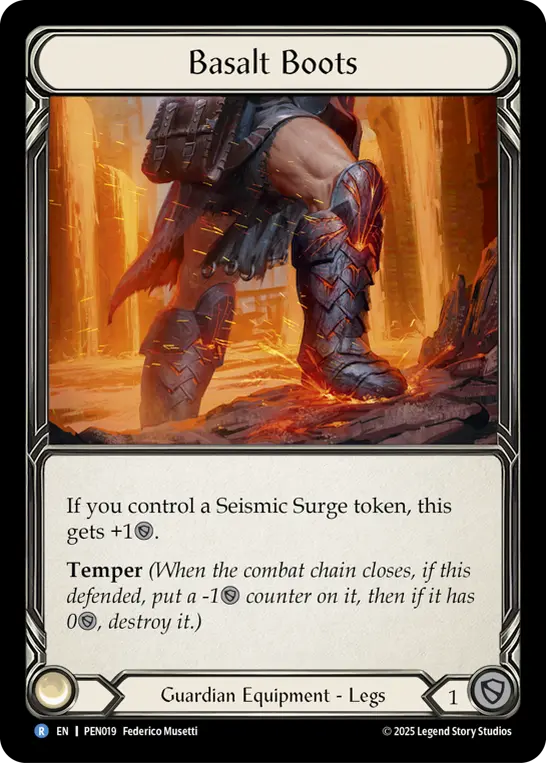
- 1×Basalt Boots
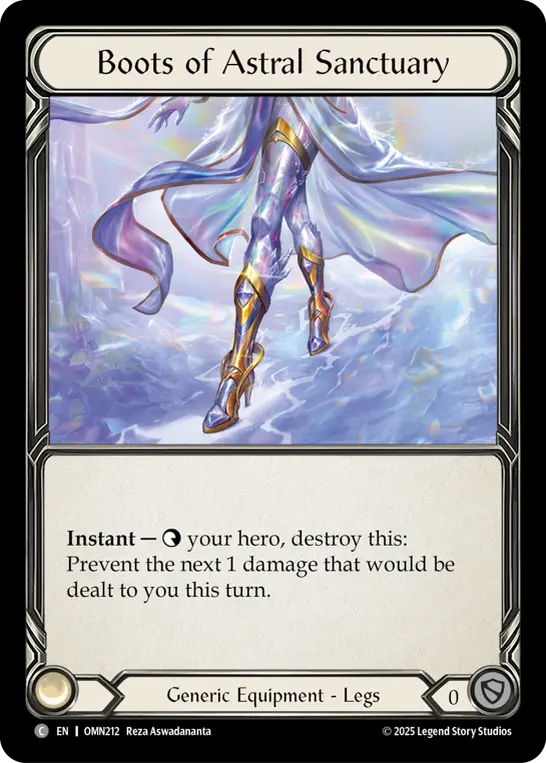
- 1×Boots of Astral Sanctuary
- 1×Crown of Providence
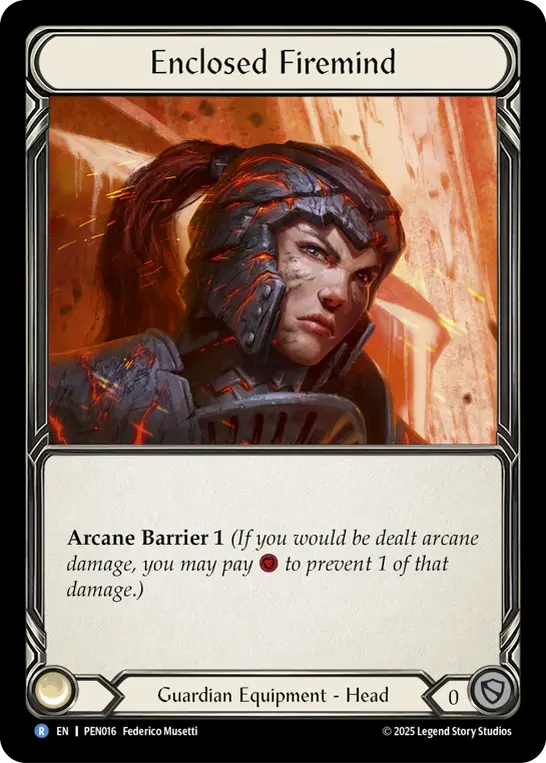
- 1×Enclosed Firemind
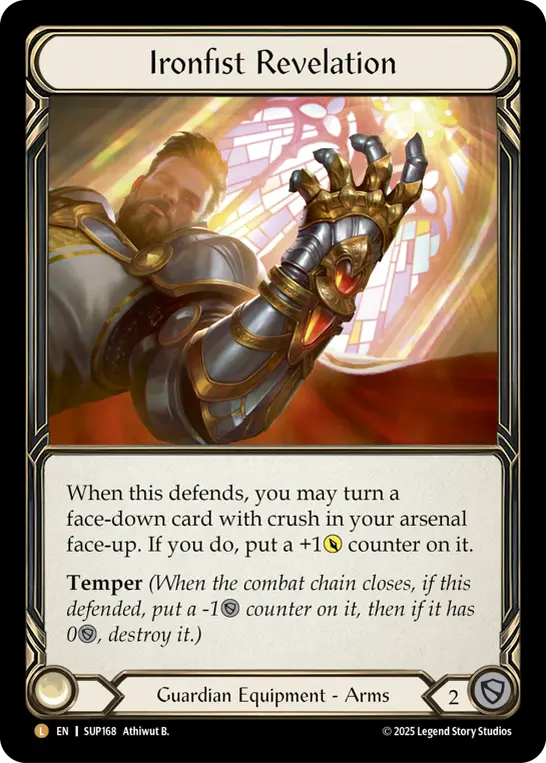
- 1×Ironfist Revelation
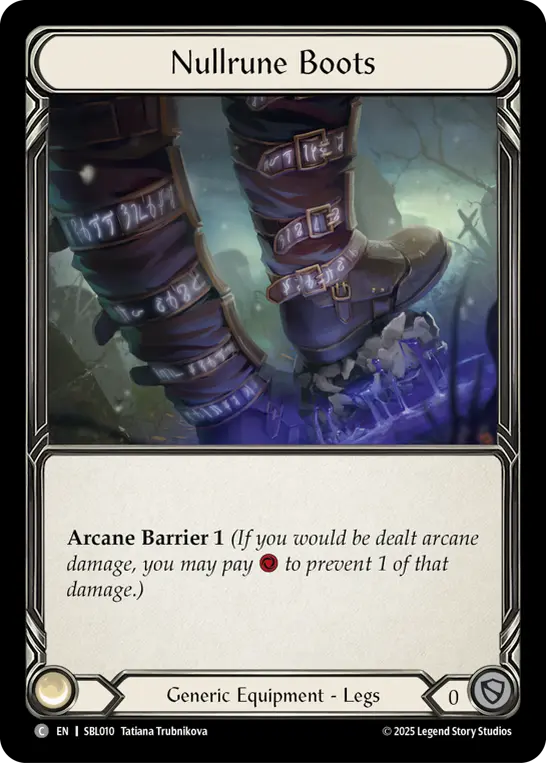
- 1×Nullrune Boots
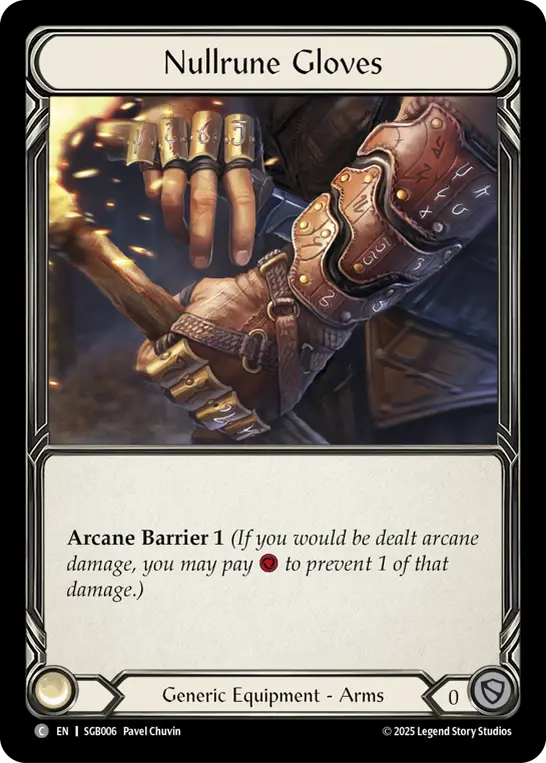
- 1×Nullrune Gloves
- 1×Tectonic Plating
Red28
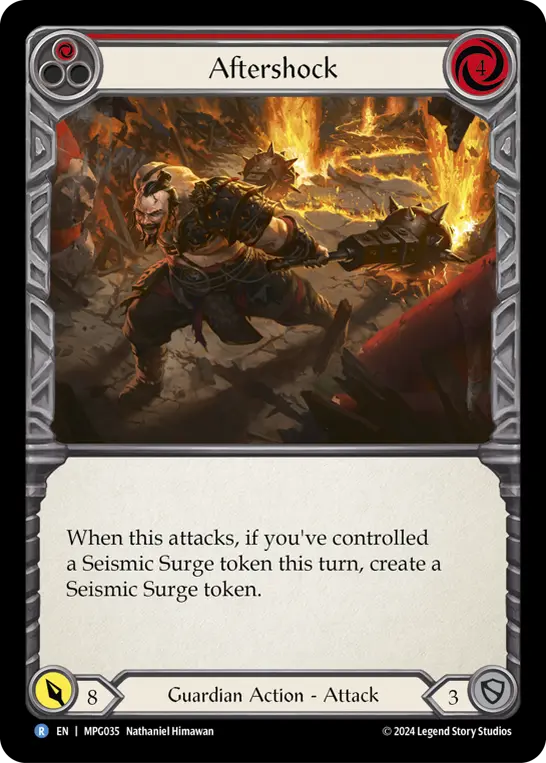
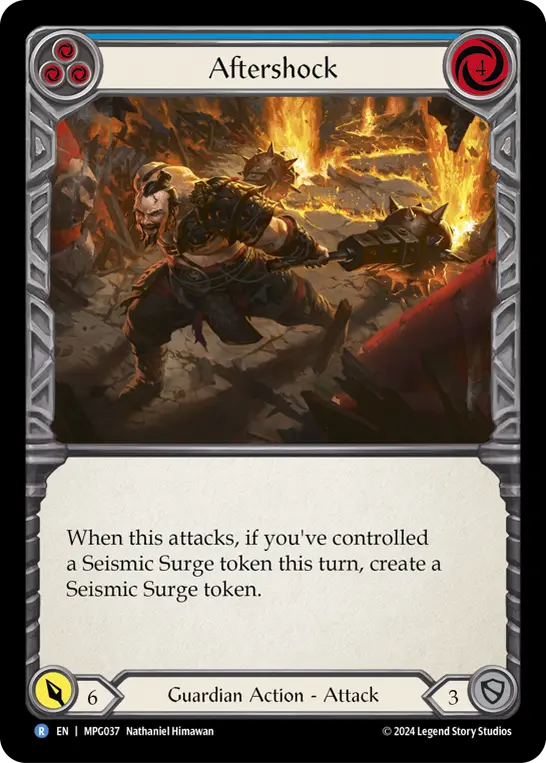
- 3×Aftershock
- 1×Batter to a Pulp
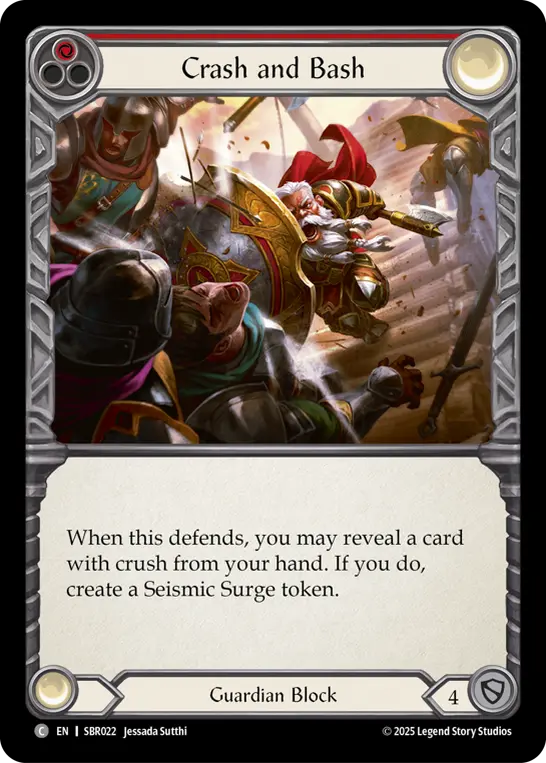
- 3×Crash and Bash
- 3×Crippling Crush
- 3×Debilitate
- 3×Fate Foreseen
- 1×Pulverize
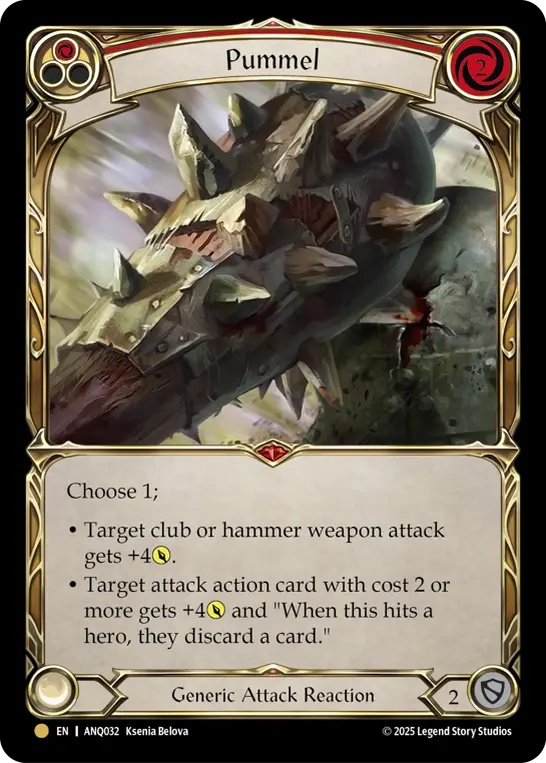
- 2×Pummel
- 3×Sink Below
- 3×Spinal Crush
- 3×Zealous Belting
Yellow5
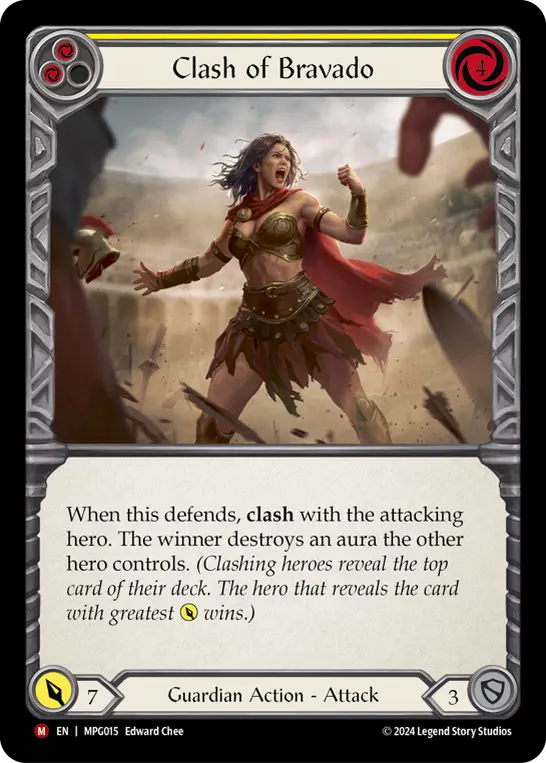
- 2×Clash of Bravado
- 3×Star Struck
Blue38
- 3×Aftershock
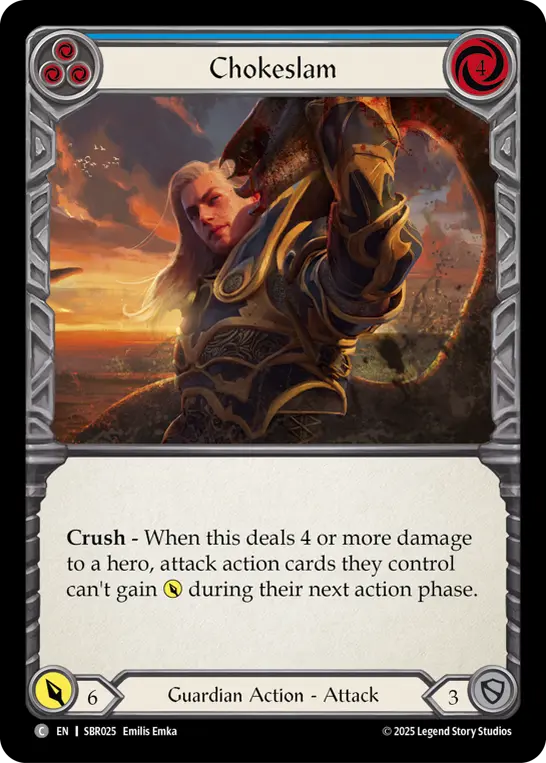
- 3×Chokeslam
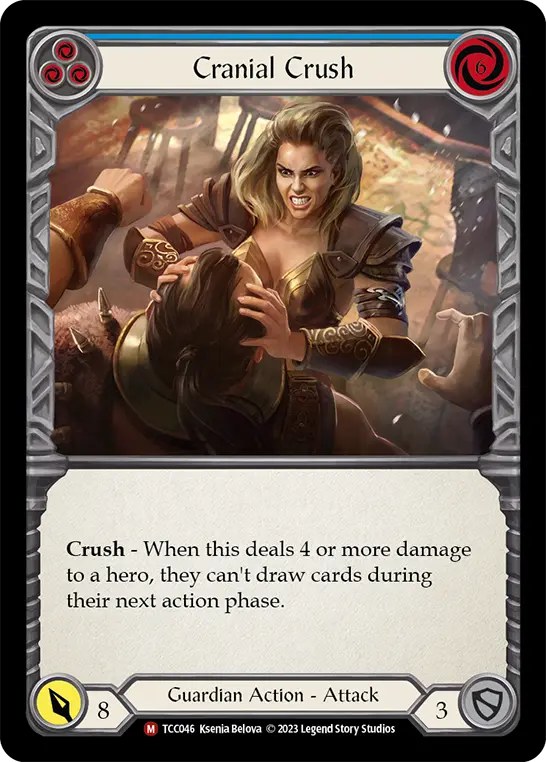
- 3×Cranial Crush
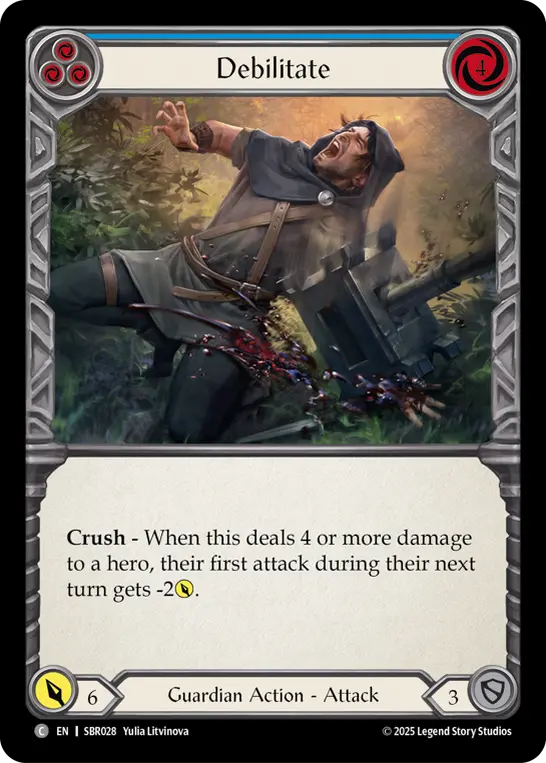
- 3×Debilitate
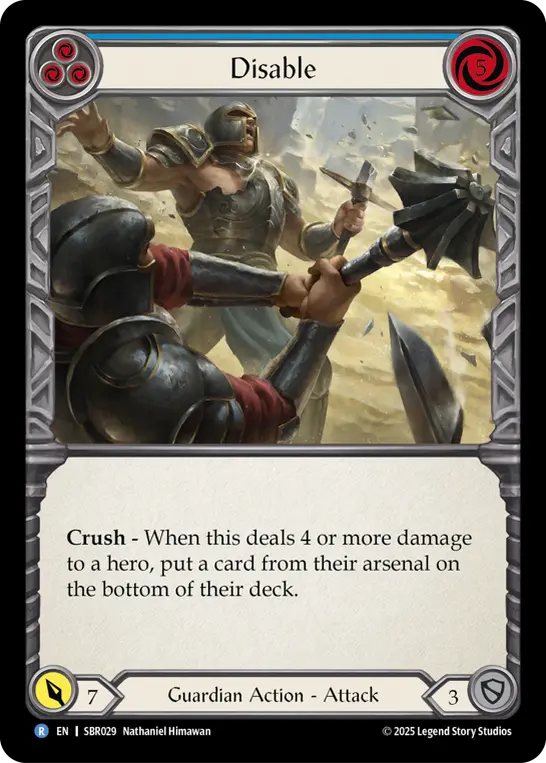
- 3×Disable
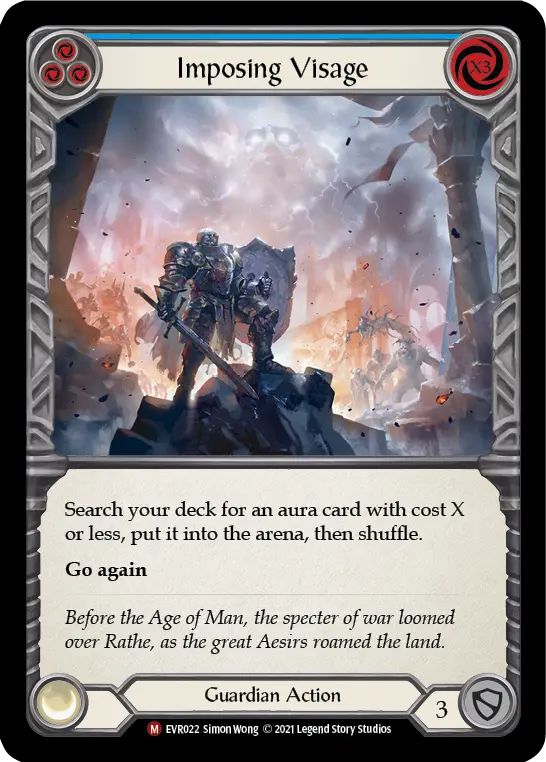
- 3×Imposing Visage
- 1×Ley Line of the Old Ones
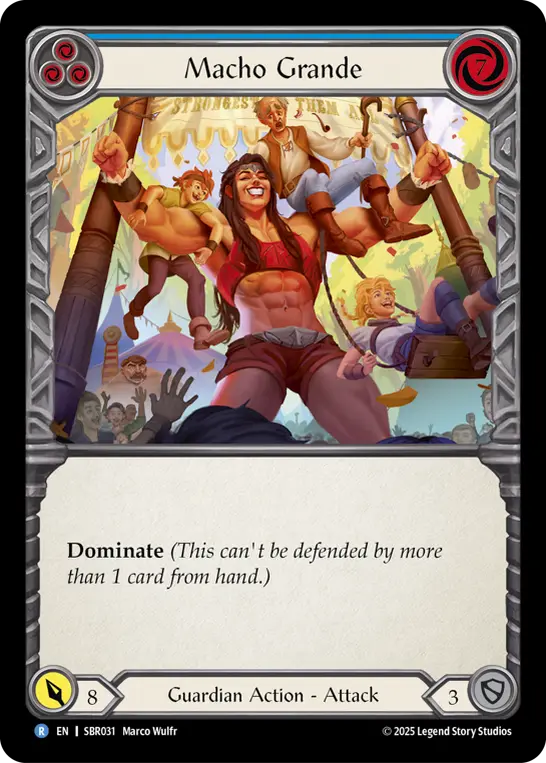
- 3×Macho Grande
- 2×Overcrowded
- 3×Promising Terrain
- 3×Rouse the Ancients
- 2×Show Time!
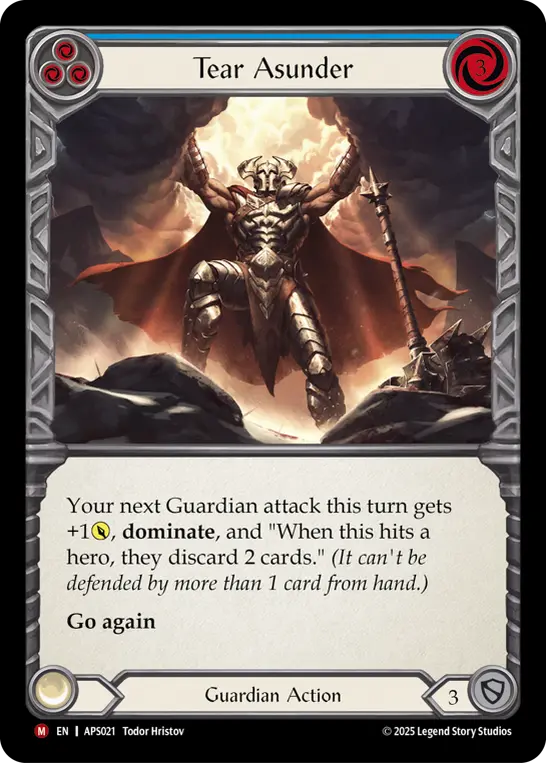
- 3×Tear Asunder
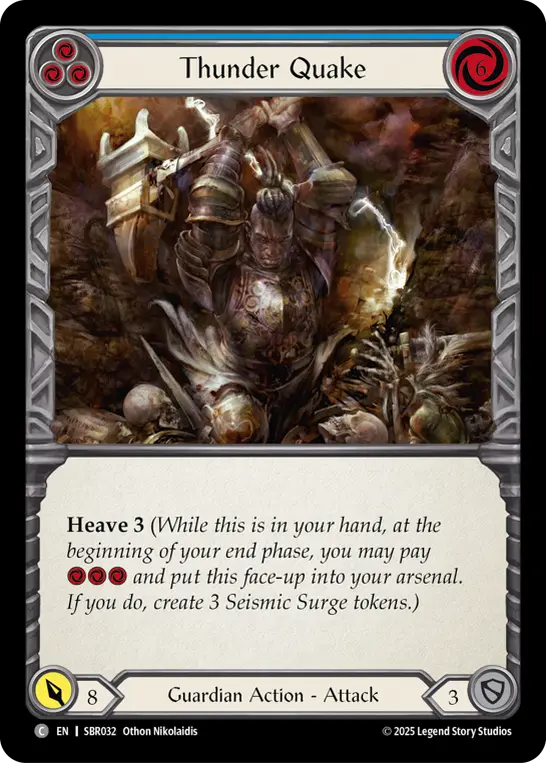
- 3×Thunder Quake
The gameplan
The plan with this deck is to take a very aggressive stance where you send high impact disruption turn after turn to maintain disruptive tempo. If you win the die roll, you always want to go first in order to have the best chance of getting Ley Line out with Imposing Visage, or to play Show Time! and set up a good attack for next turn. Sometimes you can also blast out a dominated Star Struck or Spinal Crush on the first turn of the game and force your opponent to take an off turn or give up some armor. Remember that Crippling Crush is not a good attack to open with, since they will draw a full hand of cards anyway.
It’s important to acknowledge the fact that your opponent will likely stop your first few crush effects with their armor. Consider this part of your “setup” and accept that you may fall behind on life during this stage of the game. Once their armor is mostly gone, your attacks will become very hard to deal with and you can start disrupting them very well.
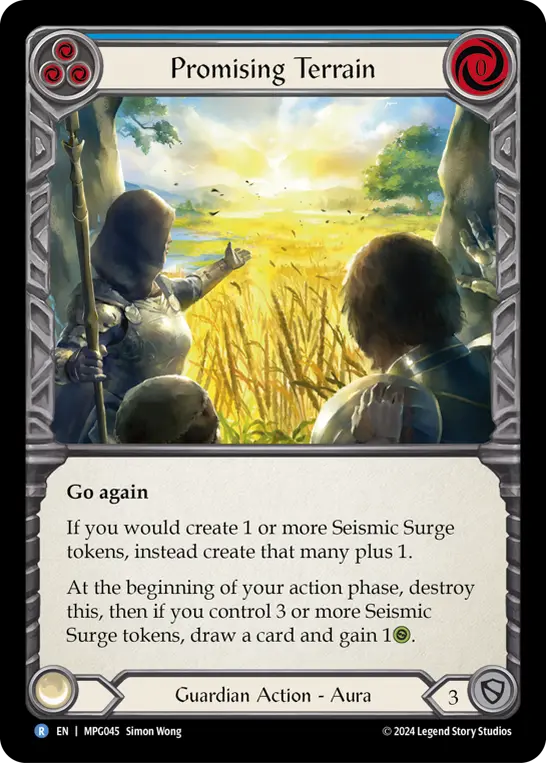
A few cards stand out as “setup” cards, namely Promising Terrain and Aftershock. This is a potent two card combo since the extra surges from Aftershock ensures that you get to trigger Promising Terrain’s life gain and card draw on your next turn. Promising Terrain can also make a ton of surges if you have a Zealous Belting turn or defend with Crash and Bash or Star Struck. Promising Terrain stands out from other guardian setup auras in that it costs 0 and has go again, so you’re free to use it as an “extra” card and still attack as normal the turn when you play it. With this deck we care about dealing damage to our opponent, so every turn counts.
You should always be looking out for a way to put Promising Terrain in the arsenal so that you can play it out when you find Aftershock or Zealous Belting. Keep in mind that keeping a card to put in arsenal is a great opportunity for bluffing a pummel.
Card choices
Equipment
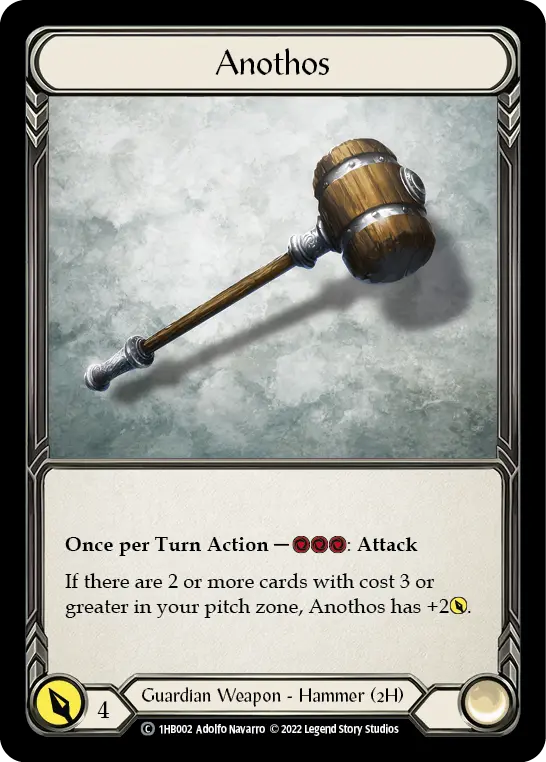
Anothos is the best way to ensure you have a decent floor, since you generally need to pitch into Tectonic Plating every turn, and swinging Anothos lets you get 6 damage out of two pitched cards. It also plays really well with Tear Asunder, Zealous Belting and Rouse the Ancients.
Crown of Providence is a flexible headpiece that can fix a rough hand, dodge Command and Conquer or just defend for 2 if that’s what you need.
Tectonic Plating is a core piece of the seismic surge engine, as described above.
Ironfist Revelation has the potential to squeeze some extra damage out of your crush attacks. Notably, Star Struck for 10 with dominate can be defended for 7 by a 3 block from hand and a 4 block defense reaction from arsenal, so bumping it up to 11 is a nice way to make it more likely that its crush effect will trigger, or at least that your opponent has to expend some armor on it.
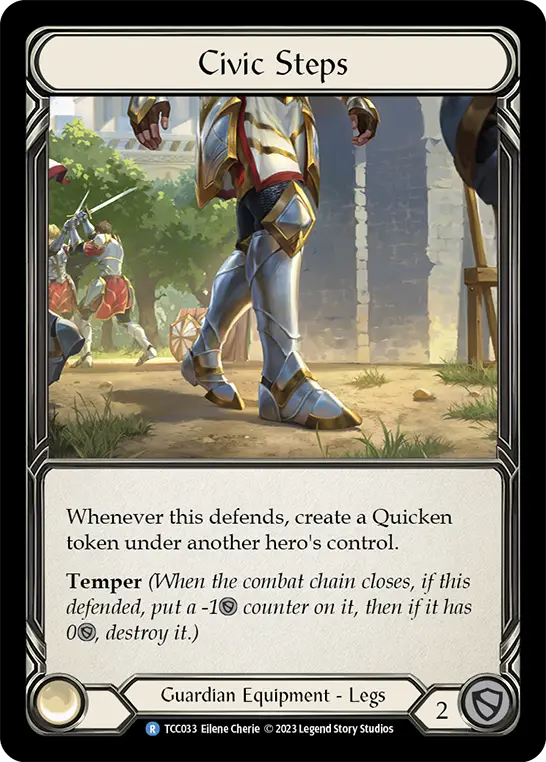
Basalt Boots in a seismic surge heavy deck are temper 2 boots that don’t give your opponent a quicken token like Civic Steps do. A welcome addition from Compendium of Rathe.
In the sideboard we have some arcane barrier, but also Boots of Astral Sanctuary which is a handy equipment piece against assassins using Flick Knives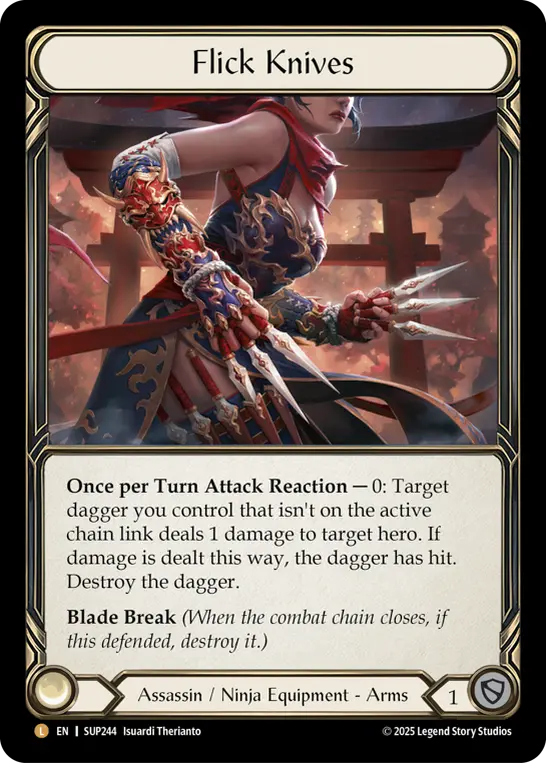 to mark us and turn on crazy above rate assassin cards like [[Savor the Bloodshed]]. It is also a useful card to have against T-Bone
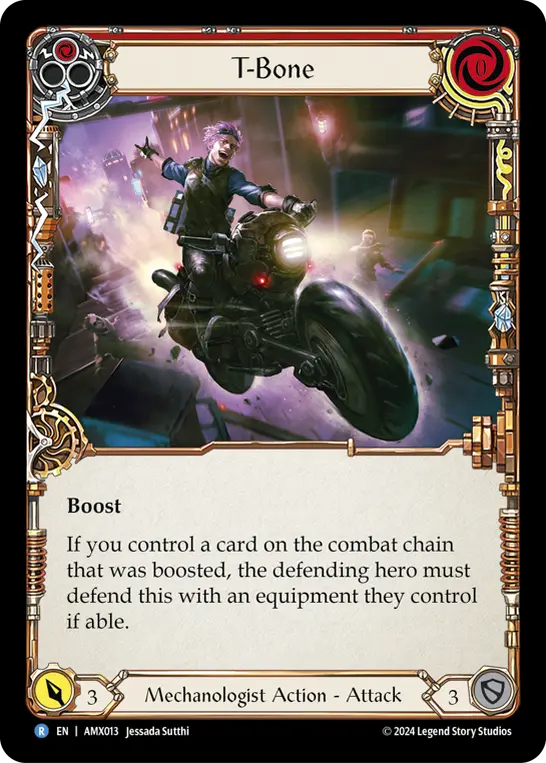 and [[Palantir Aeronaught]] since it can get in front of those cards without expending its defense value.
Reds/yellows
The core of the deck are 4 sets of high impact crush cards. Spinal Crush, Crippling Crush and Star Struck are the MVPs, but Disable is a also good card for this build. I’ve enjoyed Debilitate in the fourth slot since I like the safe 2 card 8 play, but it’s quite clear that the upcoming card Crushing Headache will come in to take over that slot once Usurp the Shadow Throne comes out.
Zealous Belting, Rouse the Ancients and Aftershock are great ways to apply pressure while also setting up seismic surges, and Pummel adds some extra disruption and mind games. A single copy of Pulverize is a good turn 0 setup card you can get with Show Time!, and can also be combined with Promosing Terrain to make extra surges.
Sink Below is Sink Below.
Crash and Bash is a great value card against opponents who consistently attack, but is something to consider parking in the inventory when playing against opponents who use a lot of arcane damage, auras, items or other kinds of non-attack cards.
Fate Foreseen is a sideboard card I chose to put there for Dash I/O. I’ve had success in the past with just defending everything and waiting until they run out of cards, so I wanted to have some more cards that excel in that role.
Batter to a Pulp is a sideboard card I put in because sometimes there is a Zyggy player at my local game store.
Clash of Bravado was a last minute addition because I wanted something to put in against Fang. It is a no-go card against many heroes since it can destroy Ley Line. I’ need to play more against Fang to find out how I actually want to play against him.
Blue cards
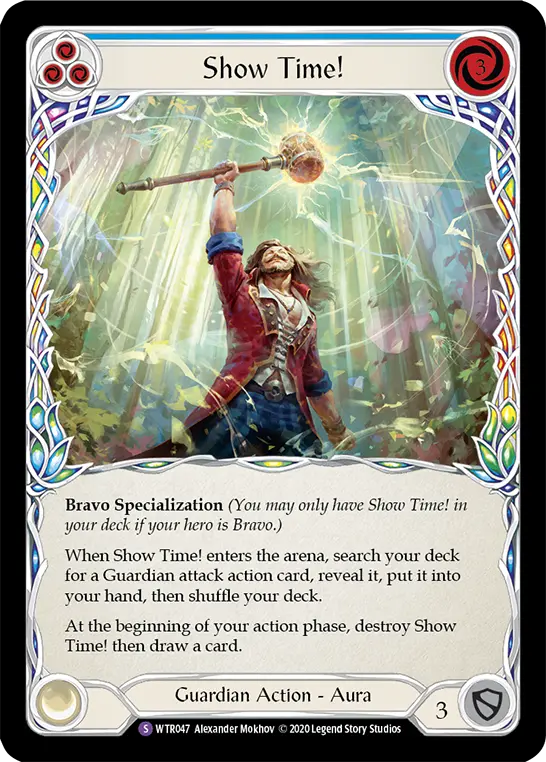
The blue base are mostly just cards that turn on Anothos, Zealous Belting, Rouse the Ancients and Crash and Bash. Aside from that there is Promising Terrain and Aftershock which are good setup cards, and of course the Imposing Visage + Ley Line of the Old Ones package to maximize the chance of getting Ley Line out. Tear Asunder is too good with Anothos to pass up, and Show Time! increases our density of good turn 0 blues.
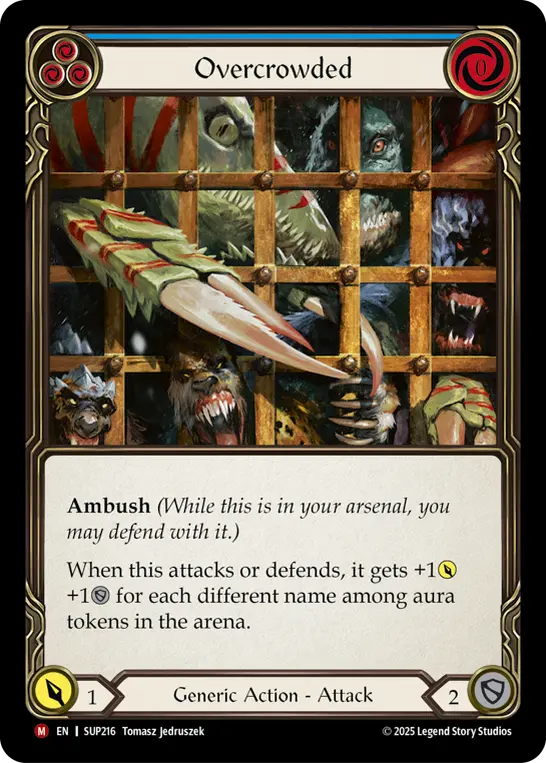
Overcrowded is a sideboard card for assassins who use Codex of Frailty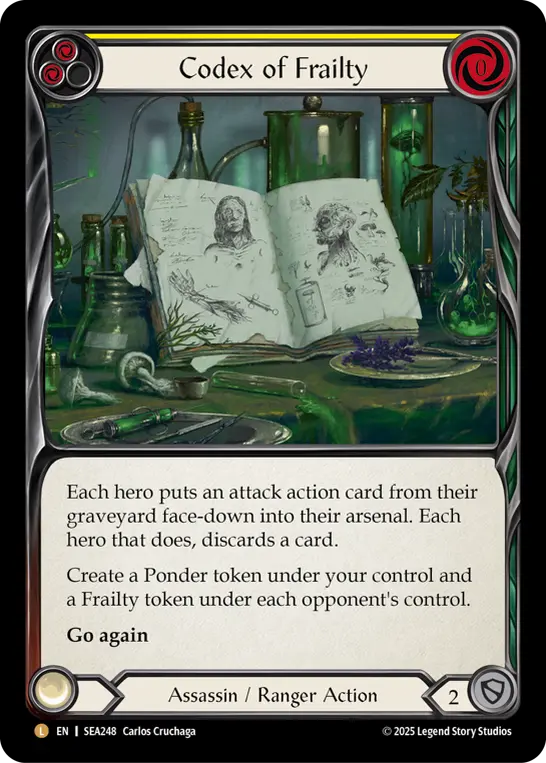 to retrieve Leave no Witnesses
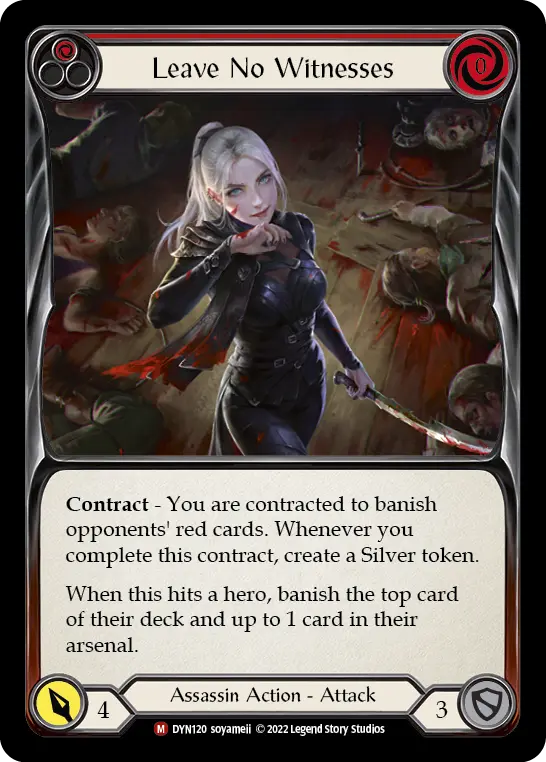 .
.
My 3-0 armory
On the 26th of August 2026 I had my first 3-0 armory in a constructed format playing the decklist described above.
Round 1: Bravo, Showstopper
This was my first ever Bravo mirror match which came totally unexpected since my local usually has no other guardians.
They let me go first. My opponent was between decks and had thrown together a very rough Bravo deck for nostalgia’s sake. I sided for aggression with 3x Zealous Belting, 3x Pummel, Pulverize and 3x Sink Below. They played a lot of red and blue suspense auras and such, but didn’t do anything very spectacular. I got a turn 0 Ley Line and basically just beat them down. They could not keep up with the value engine and were not able to pair their suspense auras with strong enough disruption (I was even able to stop their Boulder Drop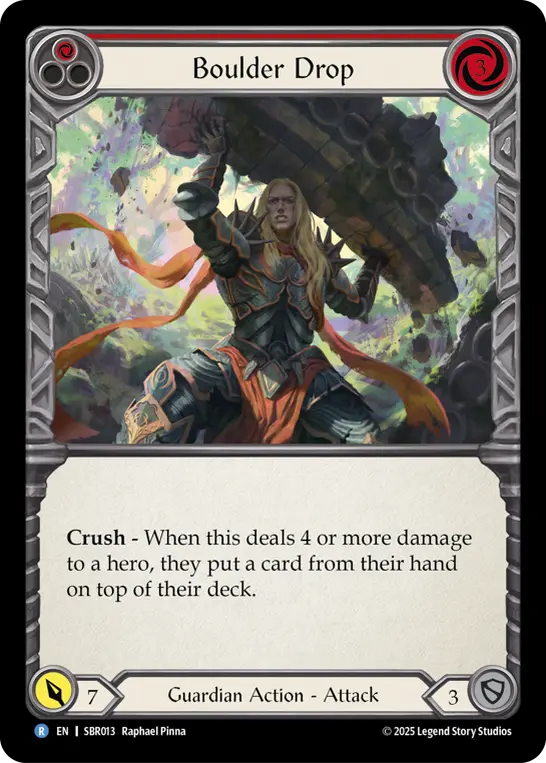 for 12).
Round 2: Dash I/O (Max V version)
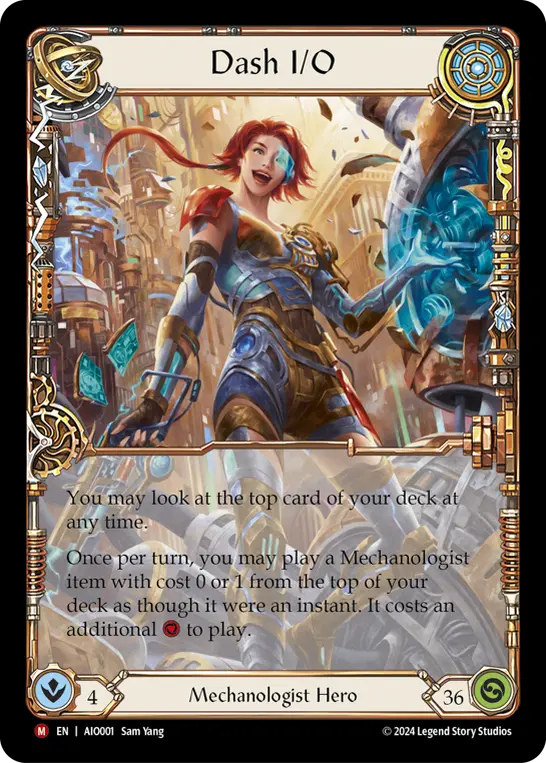
They won the roll and went first. I’ve always been curious to see what happens if I play this matchup aggressively, but decided to just stick to what I know and sided for defense, taking out Ley Line and Rouse to fit more 3 blocks, as well. With 9 4 defense cards I was just barely able to survive until they ran out of cards. I took two [[Max Velocity]] hits that secured them two red and one yellow Boom Grenade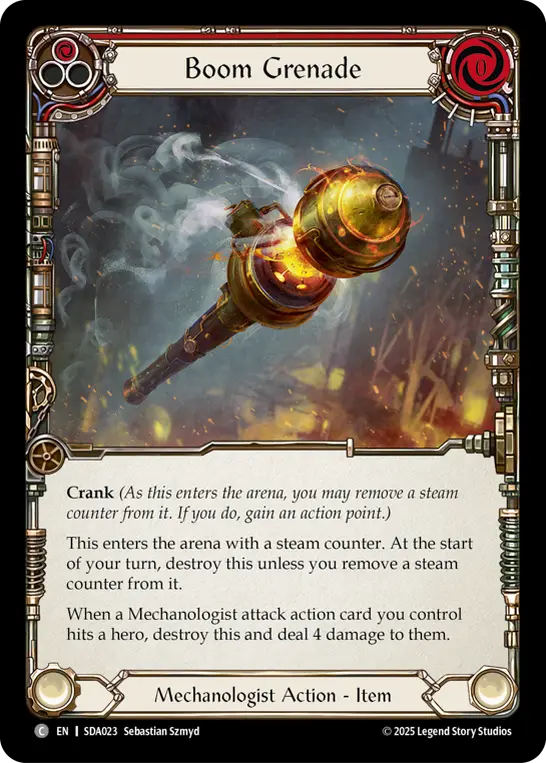 . They boosted away one Max V and one Backup Protocol: RED
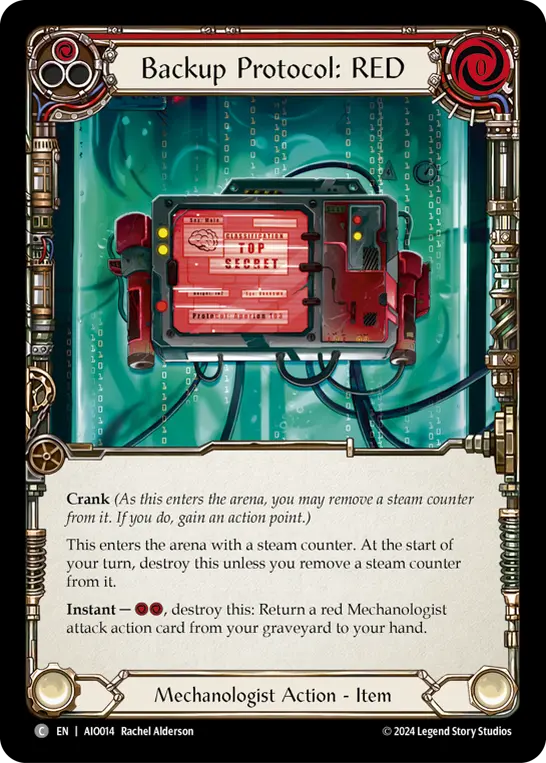 , so it could have gone worse. Fortunately the third Max V didn’t line up before their deck ran out of gas. Steelbraid Buckler
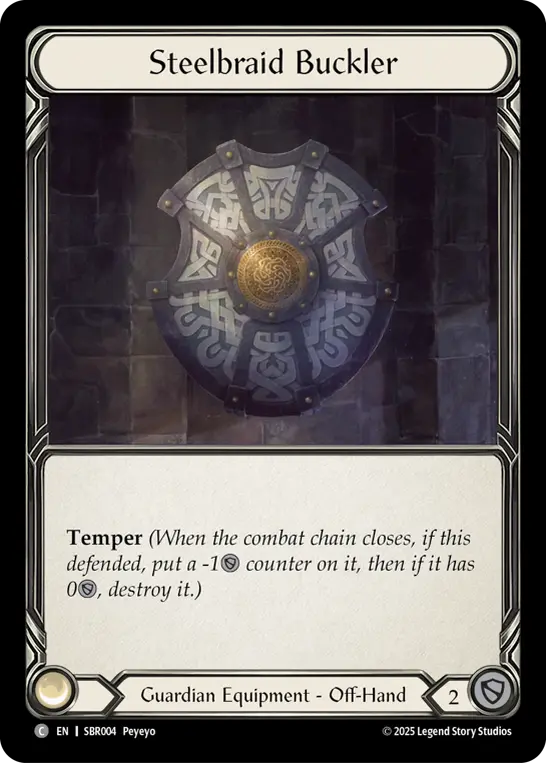 would have been a huge help in this one, but this could be winnable by playing aggressively instead and disrupting them a lot. Further research is required.
Round 3: Puffin, Hightail (pirate version)
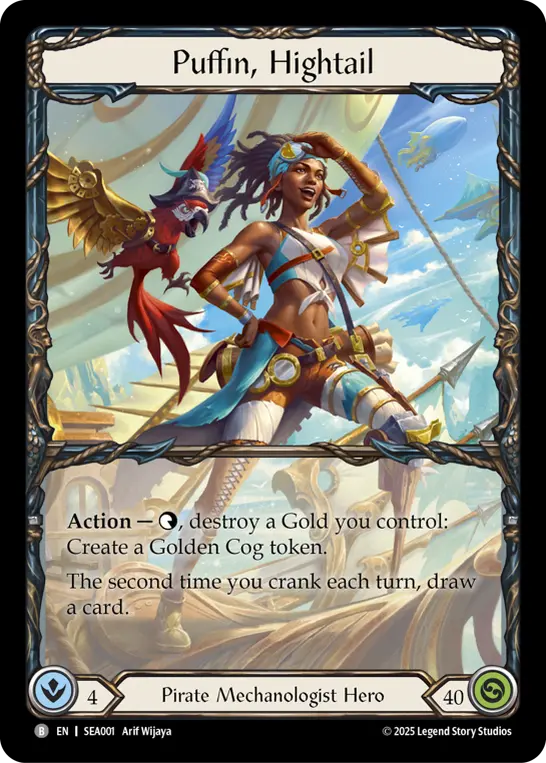
They won the roll and went first. I went win ith Crash and Bash, Sink Below, 2x Pummel and Pulverize, thinking I would play it sort of midrangey. I played a semi early dominated crippling crush that took out all their armor (except for tunic) and was able to clear Polly Cranka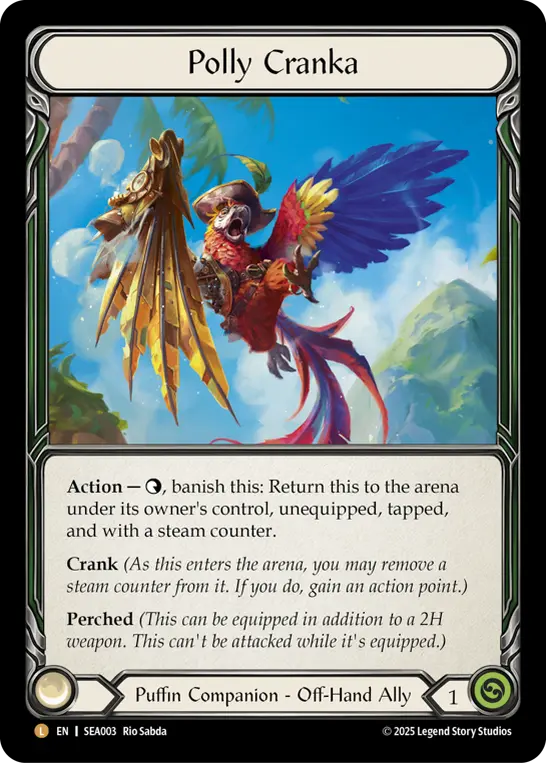 soon after. Then I went on the aggressive path and managed to get there, but it was quite close. If they had one more cog on one of their turns I’m not sure I could have won this one. I played the full game without Ley Line and had aggressive gas in every hand, so it’s not like we absolutely depend on Ley Line to play the game. I probably took an unnecessary risk in the late game by heaving a Pulverize where I ended up with 4 seismic surges. It worked out in the end, but it was very, very close to bricking my arsenal.
Changes I intend to make
As mentioned earlier, Crushing Headache is my planned fourth crush attack instead of Debilitate. This will make the cost curve 5, 6, 7, 7, which I think this deck can support.
Additionally, I expect to probably put Midas Touch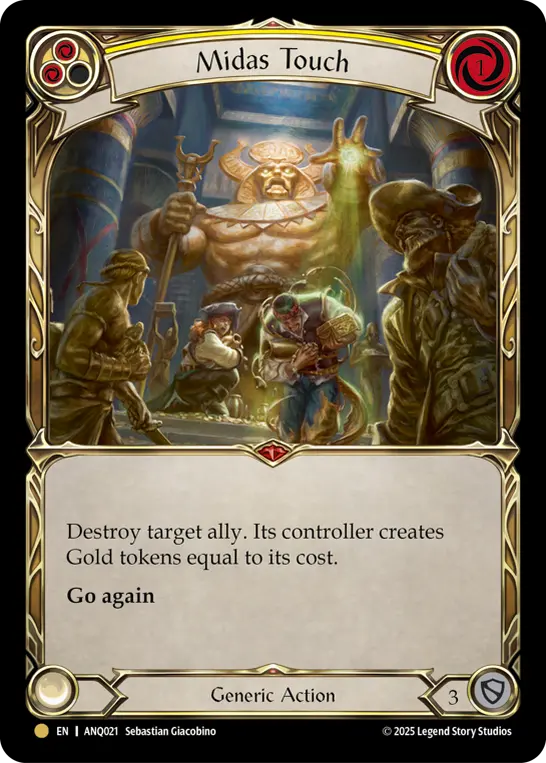 back in if Malice is a problem matchup. I cut it because we have no Gravy at my LGS. In general I’m inclined to lean more into aggression in the sideboard, but it’s possible I’ll dedicate 8 slots to Unmovable (blue)
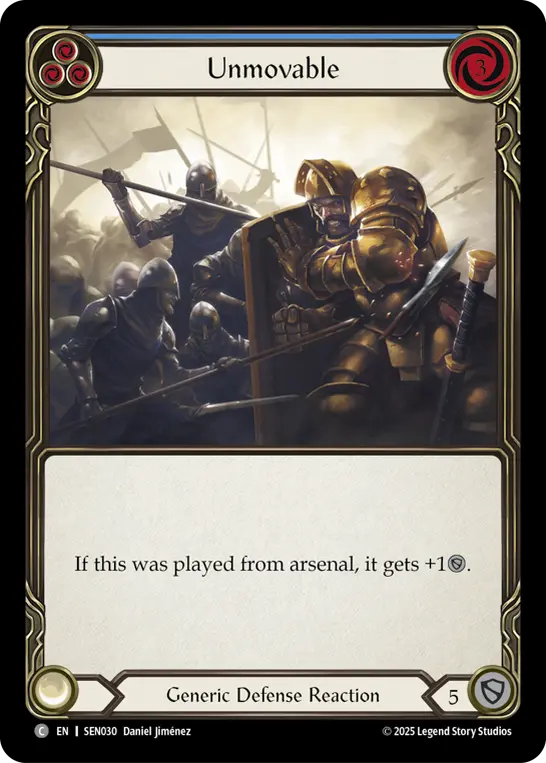 , Fate Foreseen and Steelbraid Buckler, as I have previously. The number of Batter to a Pulp is still undecided for me, as I have yet to bump into the occasional Zyggy player at our LGS.
As always, tweaking the sideboard is best done according to your metagame, so I can’t make too many prescriptions, especially since I don’t know what’s coming in the future.
Closing remarks
Ley Line of the Old Ones is a cool card, and it’s a shame that it is so expensive. I got lucky and opened one in my Smash Palace box, but many people languish over its high price and ubiquitous presence in Valda, Seismic Impact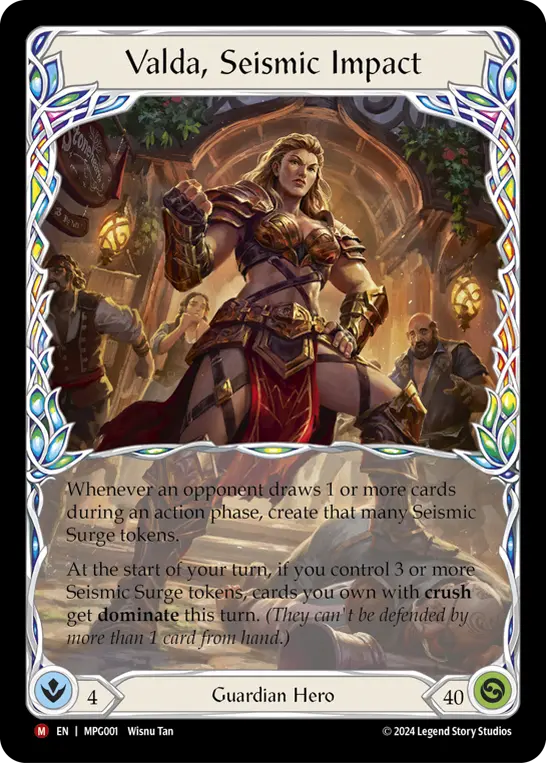 decks, effectively discouraging players from playing that hero. Let’s hope for a reprint in the not too distant future.
I like that Ley Line creates a new axis for guardian deckbuilding where you can play around with the cost curve a bit more, since the number of surges you have each turn can vary a bit. Bravo is particularly well suited for this since he has access to his specialization cards, but also because his hero ability lets you use leftover resources for something useful. Tunic resource curves are very static in comparison.
I also like that it promotes usage of guardian equipment and attacks over generics.
I hope this article has inspired you to give Bravo a chance.